Are you tired of buying produce that has been shipped from faraway places, losing its freshness and nutrients along the way? Vertical indoor farming may be the solution you’re looking for. With vertical indoor farming, you can grow your own food right in your home, saving money, reducing your carbon footprint, and enjoying fresh produce year-round. In this guide, we will help you understand vertical indoor farming, from the benefits and challenges to setting up, choosing plants, and maintaining your farm.
Understanding Vertical Indoor Farming
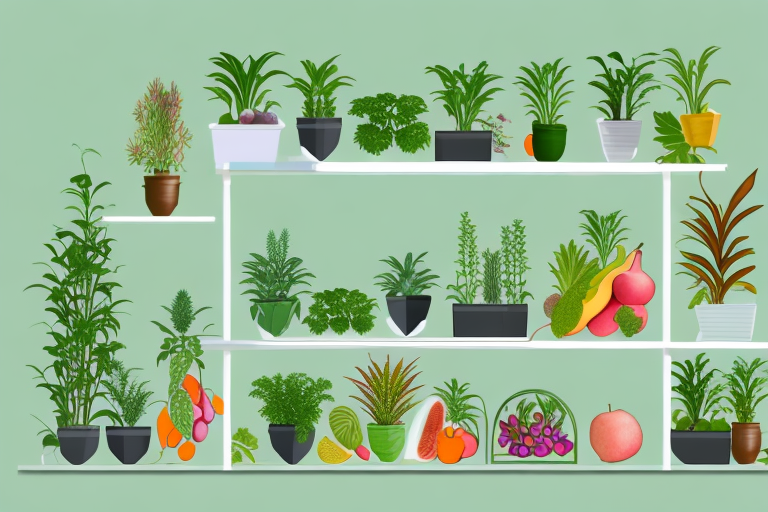
Vertical indoor farming is a revolutionary method of growing plants that has gained popularity in recent years. It involves cultivating crops in a controlled environment, using artificial lighting, climate control, and water and nutrient management. The plants are stacked vertically, maximizing the use of space and increasing the yield per square foot. This technique has been hailed as a solution to many of the problems that traditional farming faces, such as climate change, water scarcity, and soil degradation.
What is Vertical Indoor Farming?
Vertical indoor farming is a soilless system that allows plants to grow in a controlled environment using a variety of techniques. Hydroponics is one of the most popular methods of vertical indoor farming, which involves growing plants directly in water and nutrients without using soil. This method has been proven to be highly efficient and allows for faster growth rates and higher yields. Another method of vertical indoor farming is aeroponics, which involves growing plants in an air-filled environment with mist and nutrient-rich water. This method is highly effective and allows for more efficient nutrient uptake and faster growth rates.
Benefits of Vertical Indoor Farming
Vertical indoor farming has many benefits that make it an attractive option for those looking to grow fresh produce in a sustainable and eco-friendly way. First and foremost, it allows for year-round crop production, regardless of the climate or season. This means that you can enjoy fresh, locally grown produce any time of the year. Second, it reduces the need for transportation, which lowers the carbon footprint of your food. Third, it saves space, making it ideal for apartment dwellers or those with limited outdoor space. Fourth, it reduces the chances of pests and diseases, which can damage outdoor crops. Finally, it provides you with fresh, nutritious food that you can harvest at its peak, ensuring that you get the most out of your produce.
Challenges of Vertical Indoor Farming
While vertical indoor farming has many benefits, it also comes with its own set of challenges. One of the biggest challenges is the cost of setup, which includes lighting, climate control, and a vertical farming system. However, as the technology continues to advance, the cost of setup is expected to decrease. Another challenge is the need for regular maintenance, such as monitoring water and nutrient levels, adjusting lighting, and managing pests and diseases. However, with proper planning and preparation, these challenges can be overcome. Finally, there is a learning curve involved in selecting the right plants and arranging them in a way that maximizes light and space. However, with experience and experimentation, you can learn to optimize your vertical indoor farming system for maximum yield and efficiency.
In conclusion, vertical indoor farming is a promising new method of growing plants that has the potential to revolutionize the way we think about food production. While it does come with its own set of challenges, the benefits of vertical indoor farming far outweigh the costs. By using this method, we can grow fresh, nutritious produce in a sustainable and eco-friendly way, ensuring that we have access to healthy food year-round.
Setting Up Your Vertical Indoor Farm
Choosing the Right Space
The first step in setting up your vertical indoor farm is to choose the right space. Look for a location in your home that receives plenty of sunlight or has easy access to artificial lighting. You will also need a space that can accommodate your vertical farming system, which can be as small as a shelf or as large as a room.
When selecting a space for your vertical indoor farm, it’s important to consider the amount of foot traffic in the area. You don’t want your plants to be disturbed by people walking by or bumping into them. Additionally, you’ll want to ensure that the area is free of pests that could harm your plants.
Selecting the Best Vertical Farming System
There are many types of vertical farming systems on the market, each with its own advantages and disadvantages. Some popular options include tower gardens, hydroponic cabinets, wall gardens, and modular systems. Consider the size of your space, the number and type of plants you want to grow, and your budget when selecting a vertical farming system.
It’s also important to consider the level of maintenance required for each type of vertical farming system. Some systems may require more attention and upkeep than others, so be sure to choose a system that fits your lifestyle and schedule.
Lighting and Climate Control
Lighting and climate control are important factors in the success of your vertical indoor farm. Plants need a certain amount and quality of light to grow, and the temperature and humidity levels must be kept within specific ranges.
When it comes to lighting, LED grow lights are a popular choice for vertical indoor farms because they are energy-efficient and provide the right spectrum of light for plant growth. However, it’s important to choose the right type of LED grow light for your plants, as different plants have different light requirements.
Climate control systems, such as fans and heaters, can help maintain a stable environment for your plants. However, it’s important to monitor the temperature and humidity levels regularly to ensure that they are within the optimal range for your plants.
Water and Nutrient Management
In a hydroponic or aeroponic system, water and nutrient management are critical factors that can make or break your vertical indoor farm. You will need to monitor the pH and nutrient levels of your water regularly, adjust them as needed, and ensure that your plants are receiving the right amount of water and nutrients.
Some vertical farming systems come with automated water and nutrient systems, simplifying this task. However, it’s still important to regularly check and maintain these systems to ensure that they are functioning properly.
Additionally, it’s important to choose the right type of growing medium for your plants. Different plants have different growing medium requirements, so be sure to do your research and choose the right type of medium for your specific plants.
By carefully selecting the right space, vertical farming system, lighting and climate control, and water and nutrient management system, you can set up a successful and thriving vertical indoor farm in your own home.
Choosing the Right Plants for Your Vertical Indoor Farm
Best Plants for Vertical Indoor Farming
Not all plants are well-suited for vertical indoor farming, as they must be able to grow in a confined space and receive proper lighting and nutrients. Some of the best plants for vertical indoor farming include leafy greens, herbs, strawberries, and cherry tomatoes. These plants are relatively easy to grow and have a short growing cycle, allowing you to enjoy fresh produce quickly.
Plant Spacing and Arrangement
The spacing and arrangement of your plants are important factors in maximizing the yield of your vertical indoor farm. You will need to consider how much light each plant needs, how much space it requires, and how its roots will behave in the system. Some plants can be grown together in the same system, while others need to be kept separate to prevent competition for nutrients.
Companion Planting and Crop Rotation
Companion planting and crop rotation are techniques that can help maximize the yield of your vertical indoor farm and prevent pests and diseases. Companion planting involves growing two or more plants together that have complementary growing habits, such as tomatoes and basil. Crop rotation involves changing the location of your plants in the system to prevent the soil from becoming depleted and to deter pests and diseases.
Maintaining Your Vertical Indoor Farm
Regular Maintenance Tasks
Regular maintenance is an important part of keeping your vertical indoor farm healthy and productive. Some tasks you will need to perform regularly include checking and adjusting the water and nutrient levels, pruning and harvesting your plants, and cleaning your system to prevent pests and diseases.
Pest and Disease Management
Pests and diseases can quickly destroy your vertical indoor farm if left unchecked. Some common pests and diseases to watch out for include aphids, spider mites, powdery mildew, and root rot. You will need to be vigilant and monitor your plants regularly, using organic or chemical controls as necessary.
Harvesting and Storage
When it’s time to harvest your produce, be sure to do so at its peak ripeness. Different plants have different harvesting techniques and storage requirements, so consult a gardening guide or website for specific instructions. Make sure to store your produce properly to extend its shelf life and prevent spoilage.
In conclusion, vertical indoor farming is a rewarding and sustainable way to grow your own food at home. By understanding the benefits and challenges, setting up your system properly, and selecting the right plants and maintenance techniques, you can enjoy fresh produce year-round and reduce your impact on the environment.
