Do you crave the rejuvenating power of nature but lack the yard space for sprawling gardens? Bring lush greenery indoors and revive your living space by cultivating vertical gardens even in tight quarters. With creative vision and a dash of ingenuity, unused walls and corners transform into thriving miniature jungles or neatly tailored living art. Vertical gardens maximize your square footage, purify stale indoor air, and infuse your interiors with natural serenity. Let your imagination wander up the walls and reach for the sky with these inspiring indoor vertical garden ideas for small spaces.
Embracing Vertical Gardens in Urban Living
For urban dwellers and anyone lacking substantial outdoor space, indoor vertical gardens allow you to maximize your square footage and bring lush greenery into the home. Vertical gardens make use of vertical structures and surfaces to grow plants in an upward direction, saving ground space while creating beautiful living art. With some planning and creativity, vertical gardens can thrive indoors and enhance any interior with natural beauty. Here are some ideas and considerations for crafting indoor vertical gardens even in the smallest abodes.
Understanding Indoor Vertical Gardening
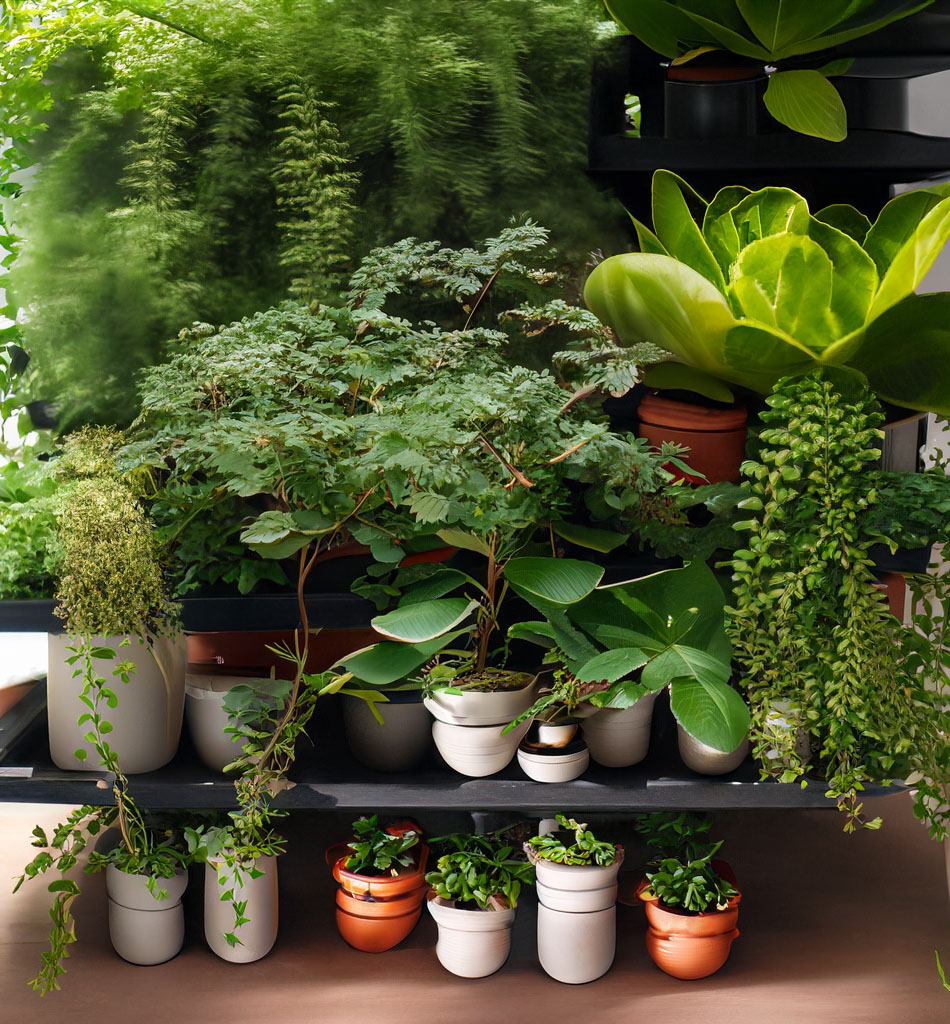
To start, let’s define what indoor vertical gardening entails. Vertical gardens utilize vertical structures to grow plants, rather than planting them in horizontal beds or pots taking up floor space. Structures like walls, hanging systems, stacked shelves, and vertical towers support plants in a way that maximizes vertical space usage. While outdoor vertical gardens can encompass the side of an entire building, indoor vertical gardens take up less surface area but still allow you to grow a variety of plants. The benefits of indoor vertical gardening include saving floor space, infusing oxygen and removing air pollutants, creating natural ambience, and allowing those without yards to garden.
Choosing the Right Plants
When choosing plants for indoor vertical gardens, select varieties that suit the light and indoor conditions. For low light spots, consider low light houseplants like pothos, philodendrons, Chinese evergreens, peace lilies, and dracaena. Add tropical appeal with staghorn ferns and orchids. Clean the air with snake plants, spider plants, English ivy, and rubber plants. Avoid fussy or high maintenance plants that require abundant light and humidity. Hardy edible herbs like thyme, oregano, chives, parsley, sage, and mint also do well, as do succulents and cacti.
Vertical Gardening Systems for Indoor Spaces
Now let’s explore some vertical gardening systems well suited for indoor spaces. One simple method is hanging pockets or sleeves that you mount on a sunny wall or hang from the ceiling. Felt, fabric or plastic pockets come in sets or continuous strands, holding a mix of small plants. For more versatility, mount shelves or slotted boards on a wall to hold containers and trailers. Or opt for free-standing vertical gardens with stacked shelving that sits on the floor, sometimes on rollers for mobility. Repurposed everyday items like ladders, floating shelves, and wall-mounted rods or rails also work. Those feeling crafty can even build vertical planters from PVC pipes, wood crates, plastic bottles, or wire fencing.
Lighting and Positioning Your Garden
When siting your vertical garden, consider light exposure and supplemental lighting needs. South facing windows provide the most light for sun-lovers like cacti and herbs. For other areas, grow lights or full spectrum LED strips can provide artificial sunlight when natural light is insufficient. Even in bright spots, an hour or two of supplemental lighting ensures lush growth. Nearby electrical outlets make adding grow lights easy. Automatic timers eliminate having to manually turn lights on and off. Check out our selection of lighting systems and grow lights.
Efficient Irrigation for Vertical Gardens
In vertical gardens, an efficient irrigation system is key. Choose wisely when deciding between soil-based and soilless systems. With soil you’ll water more frequently, while hydroponics and other soilless media often involve automated drip systems or reservoirs. But soilless systems come with more equipment that requires maintenance. For small or low-tech gardens, opt for hand watering plants in soil when needed. Group plants with similar watering needs together. Check out our selection of watering systems.
Regular Maintenance to Keep Your Garden Thriving
To keep your vertical garden thriving after installation, attend to regular maintenance. Prune back overgrown trailing plants if they get unruly. Wipe down or dust broad-leafed plants. Wash out reservoirs to prevent algae and salt buildup. Gently trim root-bound plants and repot those that outgrow their containers. Clean any included lighting equipment. Wipe down walls or structures that may get water deposits. Fertilize according to package directions. Check for pests like spider mites or aphids and treat any infestations promptly.
Get Inspired and Design Your Vertical Garden
Now for the fun part – getting inspired to design your own vertical garden! Consider your space needs, style, time commitment and let your imagination run wild.
Beyond expected entryways and kitchen herb walls, explore more creative placements like bathrooms, bedrooms, or staircases. Adorn a blank accent wall with an artsy “living mural” of succulents and trailing vines. Brighten a dark hallway with mini hanging planters spaced along the length. Add whimsy by incorporating repurposed items like floating teacups or boots overflowing with floral color.
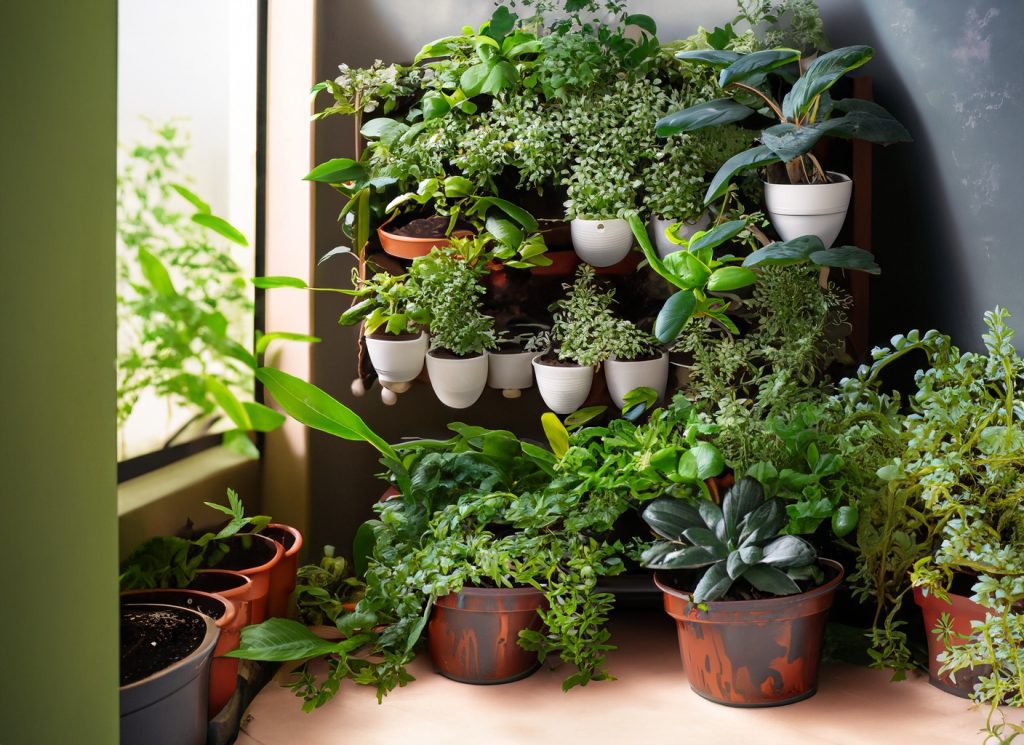
Make a statement with an unexpected geometric or mosaic pattern of mixed textures and colors. Use variations in height and depth for added dimension. Incorporate found objects like driftwood, antlers, or weathered wood that complement your plants.
Reflect your personality or decor style, like modern with sleek cacti and succulents or boho chic with macrame and flowering Hoyas. For kids’ rooms, craft mini gardens with fairy lights and animal figurines hidden among the greenery. In home offices, install desktop vertical planters holding succulents for zen focus.
Mount an open metal frame or wire cylinders vertically to train vining philodendrons. Use magnets to hold small potted plants on a fridge or metal cabinet for a quirky vertical garden. The options are endless when you think creatively about the entire home as a potential vertical garden canvas!
Vertical gardens lend themselves well to entryways – greeting you as you come home with a lush moss or succulent wall. Make the most of tight kitchen space with a wall mounted rail or shelves holding aromatic herbs and greens. Freshen small bathrooms with mini hanging gardens and low light air purifiers like ivy and ferns. Purify and beautify the bedroom with trailing spider plants, philodendrons and snake plants. Use vertical gardens as living art, partitions or room dividers. For modern flair, frame succulents and geometric-leafed plants with clean lines and metal containers. Go bold with brighly flowering bromeliads, orchids or colorful potted plants against a neutral wall. The options are endless!
Installing Your Indoor Vertical Garden
Installing an indoor vertical garden, no matter how small, allows you to maximize space while enhancing your interior visually and environmentally. Choose appropriate plants, systems and designs to create your own green oasis at home. Vertical gardening opens up new possibilities to connect with nature’s beauty even when horizontal space is limited. Be guided by your unique space constraints, plant preferences, style sensibilities and gardening abilities. Soon you’ll be reaping the joys and rewards of flourishing indoor vertical gardens bringing new life wherever they reach for the sky.
Cost Considerations for Vertical Gardens
Concluding this overview of maximizing vertical space with indoor gardens, let’s discuss some cost considerations. Vertical garden systems can range from under $30 for small hanging planters to over $500 for large, elaborate installed wall systems. Ongoing costs include plants, fertilizer, lighting and irrigation supplies. Buy starter plants vs expensive mature plants. Time DIY projects for autumn clearance sales. Propagate own cuttings over time.
Challenges and Solutions in Indoor Vertical Gardening
While rewarding, indoor vertical gardening also comes with some potential challenges. Poor light exposure causes leggy, weak growth unless properly supplemented. Various watering methods help provide the right moisture levels. Pests like spider mites thrive in dry indoor air; maintain humidity levels and treat infestations promptly. The regular pruning and cleaning needed can also prove time consuming. Visually inspect plants often and wipe down surfaces to catch issues early. Finally, aesthetics matter – avoid cluttered “jungles” and plants that clash or grow too wild. See challenges as part of the rewarding process of learning to craft your ideal indoor habitat.
To sum it all up, vertical gardening allows urban dwellers to maximize space and bring nature’s beauty indoors. Consider your needs, plant selections, systems and designs to create a tailored oasis. Weigh the costs and commitments involved against the many benefits of flourishing indoor gardens reaching new heights in your personal ecosystem. When thoughtfully planned and cared for, vertical gardens grant the freedom to garden regardless of square footage – so go ahead, think outside the pot!
FAQs
Q1. What are some suitable low-light plants for vertical gardens?
A. Ideal low-light plants include pothos, philodendrons, Chinese evergreens, peace lilies, dracaena, and certain orchids and ferns.
Q2. How frequently should an indoor vertical garden be watered?
A. The watering frequency varies based on your planting system, plant types, and indoor conditions. Typically, soil-based gardens require more frequent watering than hydroponic systems.
Q3. What materials can be used for DIY vertical garden structures?
A. Utilize items like ladders, floating shelves, curtain rods, fencing, PVC pipes, plastic bottles, and wooden crates for DIY vertical garden structures.
Q4. What amount of natural light do indoor plants require daily?
A. Most indoor plants need 4-6 hours of bright, indirect natural light daily, supplemented with grow lights if necessary.
Q5. Should planters in indoor vertical gardens have drainage holes?
A. Yes, drainage holes are crucial to prevent waterlogging and root rot. Use liner trays for extra drainage with planters lacking holes.
Q6. How can indoor vertical gardens be maintained?
A. Maintenance involves pruning overgrown plants, wiping dust from leaves, cleaning reservoirs and lighting equipment, repotting root-bound plants, and monitoring for pests.
Q7. How can mess be minimized in indoor vertical gardens?
A. Opt for tidy, slow-growing plants, prune and train trailers onto supports, place drip trays under planters, and clean fallen leaves/debris promptly.
Q8. What systems are suited for indoor hydroponic vertical gardens?
A. Nutrient film technique (NFT) systems, drip systems, aeroponics, floating rafts, wicking beds, and wall-mounted cascades are effective for indoor hydroponic vertical gardens.
Q9. Can LED grow lights substitute natural sunlight for indoor vertical gardens?
A. Yes, sufficient wattage and full spectrum LED grow lights can enable plants to thrive without natural sunlight.
Q10. What’s the cleaning or replacement frequency for indoor vertical garden systems?
A. Clean hydroponic systems every 2-4 weeks. Replace fabric pockets, felt, and coir every 1-2 years. Shelves, walls, and hardware last many years with proper maintenance.

No Responses