For anyone interested in growing their own food or enjoying lush greenery in their home, indoor vertical gardening offers an efficient and rewarding way to cultivate plants in limited spaces. Vertical gardens allow for growing upwards on walls, shelves or specially designed structures, maximizing production in a compact area.
Choosing the right containers is one of the most important steps to creating a successful and aesthetically pleasing vertical garden. The containers act as the foundation for anchoring your plants and supplying them with soil, nutrients and water. With some planning and strategic selection, you can pick vessels that perfectly suit your garden’s needs.
When shopping for vertical garden containers, here are the main factors to keep in mind:
Consider the Size
One of the first things to figure out when selecting containers is the size. This depends largely on the space you have available and the types of plants you want to grow. If working with a narrow wall, shallow shelves or limited floor space, smaller containers take up less room. For larger plants like tomatoes or peppers, go with wider and deeper vessels to accommodate their root systems. Make sure to account for growth over time and choose a size that will be workable even when plants mature. It’s better to allow extra space instead of cramping the roots.
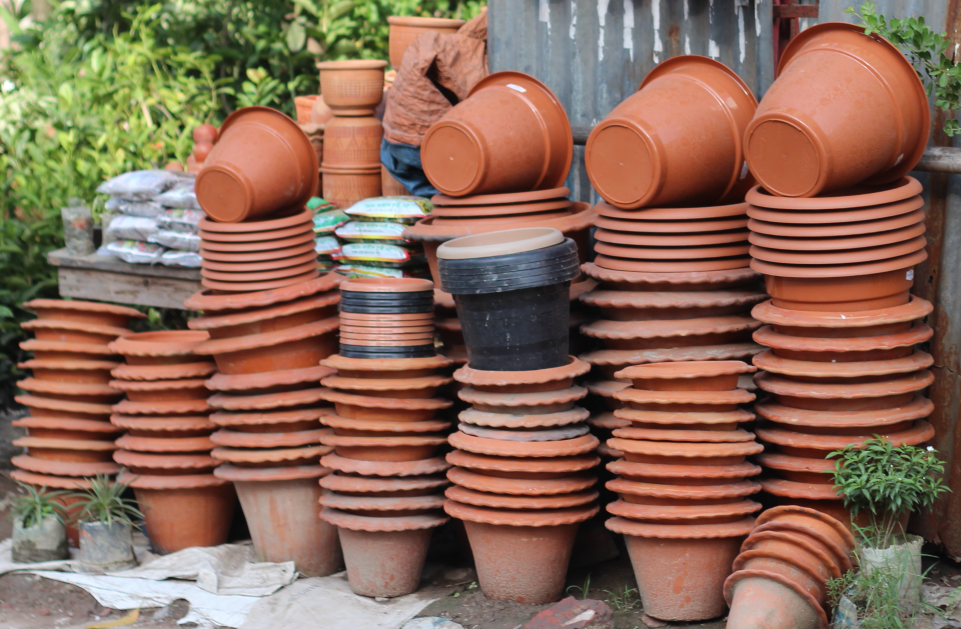
For herbs, leafy greens and succulents, use a fair amount of small to medium containers in the 5-10 inch range. Vining plants like cucumbers or beans can be grown in taller, narrow containers. For fruiting plants, use larger pots around 5 gallons or more. Having a general idea of how many plants you want to grow and their expected sizes will help guide your container selection. Mix and match different shapes and dimensions as needed to maximize your vertical space.
Consider the Material
Indoor vertical garden containers come in a diverse array of materials, each with their own characteristics. Here’s an overview of the most common options:
Plastic containers are widely available and inexpensive, making them a budget-friendly choice. They come in virtually every size and shape imaginable. Look for thicker, sturdier plastic that won’t crack or degrade over time. The downside is that plastic lacks porosity, so be sure to provide drainage holes.
Terracotta pots are naturally porous, allowing air and moisture to permeate the walls. This gives plant roots a healthy environment. Their earthy, rustic look also suits many vertical garden aesthetics. However, terracotta is breakable and retains water, requiring more frequent irrigation.
Metal containers like stainless steel, galvanized steel or aluminum are very durable, modern options. They conduct heat well for warmth-loving plants like peppers and eggplant. However, the solid walls hold in moisture, so use with well-draining soil mixes and avoid overwatering.
Wood planters bring a natural touch but can be prone to rotting over time when exposed to frequent moisture. Use wood that has been treated for outdoor use and apply a protective sealant. Redwood, cedar and teak are good choices.
Other possibilities include cement, stone, ceramic, burlap, recycled plastic bottles or woven baskets. Mixing materials provides visual interest while taking advantage of their different attributes.
Mind the Shape
Vertical garden containers come in standard round, square and rectangular shapes, but also more unique forms like triangles, trapezoids, hexagons or octagons. The shape you choose can depend on several factors:

- The mounting method – Certain shapes fit better on shelves (rectangular), poles (round) or grid walls (square).
- The space – Long, narrow spots suit a tall, thin vessel. Corner nooks call for angled trapezoid designs.
- Aesthetics – Mix shapes for visual diversity and interest.
- Plant types – Long and deep containers accommodate vining plants or large root systems. Shallow pots work for compact greenery.
Get creative with shapes – tapered cylindrical pots or those with built-in contours and angles can add striking silhouettes. Just ensure the shape you choose works ergonomically for planting, watering and harvesting the plants.
Consider the Mounting Method
The way you intend to mount or display your vertical garden will guide which containers will work best. Here are some top options:
Shelves – For open shelves or ledges, use containers with a flat bottom or secure them with brackets. Rectangular and square shapes maximize shelf space efficiently.
Wall-mounted – For wall-mounted shelves, hanging rails or grid panels, choose containers with holes on the backside or lips to slide onto hardware. Any shape can work. Check out our selection of wall planters.
Freestanding poles – On rotating or stationary vertical structures, look for pots with openings or hooks to attach them at different heights. Cylindrical shapes work best.
Hanging – Suspended containers like wire baskets or planter buckets allow positioning at varying heights. Ensure they are securely fastened. Check out our selection of hanging planters.
Railings & trellises – Position pots on balcony and deck railings or integrate them into vertical trellis structures. Rectangular deck planters are a good choice. Check out our selection of trellises.
Multi-tiered – Cascading tiered planter units allow displaying containers at incremental levels. Use complementary shapes and sizes. Check out our selection of tiered plant stands.
Factor in the weight-bearing capacity of the mounts and hardware when choosing materials and soil. Top-heavy vessels can compromise the stability. Prioritize safety.
Don’t Forget Drainage Holes
Ensuring adequate drainage is paramount for healthy indoor plants. Vertical gardens are especially prone to overwatering since containers are stacked vertically. Drainage holes near the base allow excess moisture to exit. If a container you like lacks holes, use a power drill to add several around the bottom perimeter. For small containers under 4 inches, consider using a cactus soil mix that drains quickly.
Self-watering pots are also useful because they only release a measured amount of moisture at a time from a built-in reservoir. Hanging baskets lined with coconut fiber liners work similarly. For vining plants, use slotted containers that allow water to seep through to lower levels.
Consider Accessibility
One challenge with vertical gardens is being able to access the plants for pruning, harvesting and other care. Make sure to select containers that allow you to:
- Easily reach into them for planting, weeding and cutting plants. Open tops or side slots help. Shallow pots under 6 inches deep are most manageable.
- Remove and move the containers if needed. Contours or lips should allow you to grip them. Not too heavy when filled.
- Add water simply. Use watering cans with long spouts or irrigation tubing to reach top levels.
- Get adequate light to all plants. Stacking pots can create shadows below. Space and stagger them.
Take measurements with a tape measure when designing the layout. Draw up a scaled plan showing accessible aisles and openings. Test different arrangements before permanently installing containers.
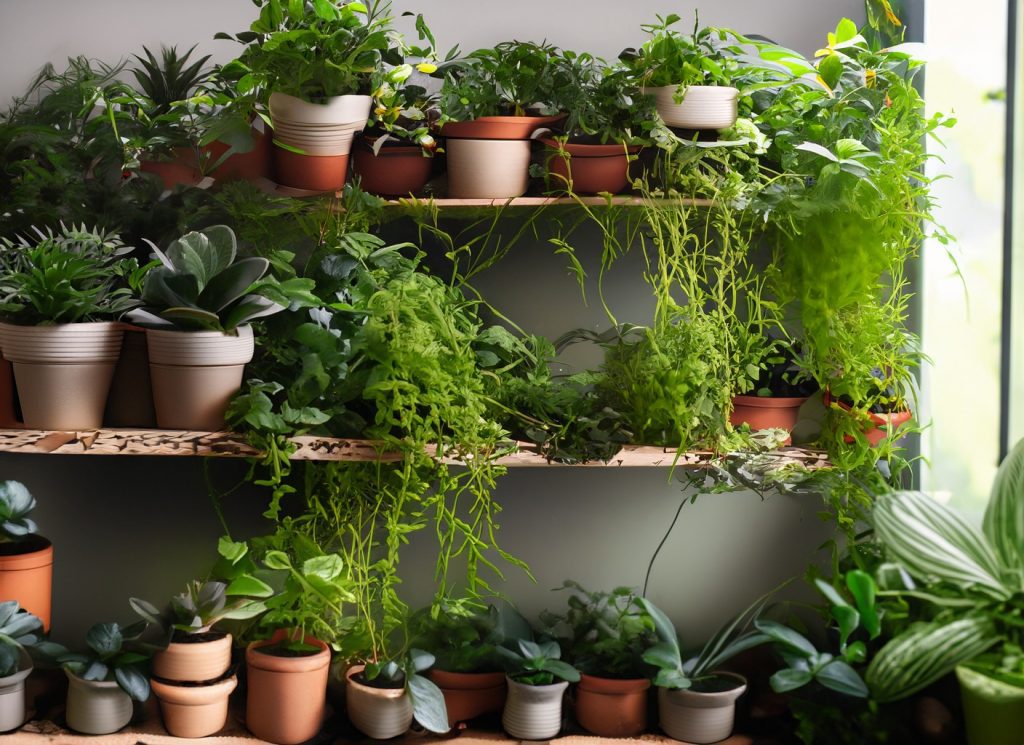
Other Design Factors to Consider
Beyond the basics, there are a few other elements that factor into container selection:
Budget – If working with a tight budget, plastic pots and repurposed containers are the most wallet-friendly choices. Shop sales and clearance racks.
DIY options – With creativity and simple materials, you can make your own vertical garden vessels for a custom look. Try painting and drilling reused cans, buckets or bottles.
Transparency – Clear glass or plastic containers allow light penetration and viewing root growth, which can be educational and interesting.
Edibles – For culinary herbs and veggies, use food-safe materials like stainless steel, wood or ceramic. Avoid chemicals that could leach into the edibles.
Colors – Neutral earth tones blend in naturally while vibrant colors make the containers a focal point. Use colors to create themes or patterns.
Self-watering – As mentioned, self-watering pots take the guesswork out of irrigating vertical arrangements. Look for reservoir chambers, wicking inserts or other moisture-regulating features.
Weight – For mounted containers, too much weight can compromise stability. Lightweight plastic and breathable materials are best for vertical loading.
Take these secondary factors into account when selecting containers. The options are endless!
Tips for Getting Started
If the container selection process seems daunting, keep these tips in mind:
- Take precise measurements of the space you intend to use for your vertical garden. Account for room needed around, between and in front of the containers.
- Make a plant “wish list” and approximate how many of each variety you want to grow. This will guide how many containers and what sizes you need.
- Shop for containers in a range centered around your ideal size. For example, look at pots between 5-15 inches wide if 10 inches is ideal. This allows flexibility.
- Mix and match different shapes, sizes, materials and colors for visual interest. Contrasting textures also adds depth.
- Before permanently installing containers, loosely position them to ensure the sizes and shapes maximize space efficiently.
- If needed, use a power drill to add extra drainage holes to containers that lack sufficient aeration.
- Arrange containers with accessibility in mind so you can comfortably care for the plants. Check sight lines.
With the right containers that suit your space, plants and style, you’ll be on your way to vertical gardening success! Let your creativity guide you. The main considerations are size, material, shape, mounting method and drainage. Take it step by step and enjoy the process. Soon your plants will be thriving in their perfect vertical garden pots.
Additional Tips for Container Maintenance
Once your containers are set up and planted, a little regular maintenance will keep them looking and functioning their best. Here are some extra tips:
- Check soil pH every 2-3 months and adjust as needed. Most edibles and herbs prefer a slightly acidic pH between 6.0-6.5. Test with a soil probe and amend with elemental sulfur or lime as required.
- Clean the exterior of containers as needed to keep them looking fresh. Use a gentle cleaner and rinse well. For steel, treat with a rust inhibitor occasionally.
- Disinfect plastic containers once a year with a 10% bleach solution to kill any mold or bacteria. Rinse thoroughly afterwards.
- Prune back overgrowth that blocks light and air circulation.Trim herb stems or pinch back leggy annuals.
- Remove mineral deposits on terra cotta or cement using white vinegar or lemon juice. Rinse and scrub gently.
- Refurbish weathered wooden planters with new food-safe sealant annually. Lightly sand before resealing.
- Repot rootbound plants in larger containers. Slide the root ball out whole and loosen any circled roots before repotting.
- Scrub salt mineral buildup on clay or plastic using an abrasive brush and vinegar solution. Flush soil thoroughly after.
Properly maintained containers will support healthy, productive plants season after season. Just incorporate a few quick care tasks into your routine.
To sum it up
Choosing containers may seem complicated at first, but following this guide will set you up for success. Focus first on size and material to provide a healthy growing environment. Then mind the shape aesthetics and mounting considerations. Ensure adequate drainage and accessibility in the design. With the right vessels, your plants will flourish indoors and brighten your space with lush greenery and fresh herbs or produce. Vertical gardening allows anyone to cultivate plants even in limited space. Take it step by step, and soon you’ll have a beautiful and thriving garden!
FAQs
Q1: What types of containers work best for indoor vertical gardening?
A: Plastic, terra cotta, metal, and wood containers are most common. Consider porosity, durability, weight, and aesthetics for your space.
Q2: What should I look for when choosing container material?
A: Breathability, durability, stability, aesthetics, cost. Porous materials like terra cotta promote airflow while materials like metal and plastic hold moisture well.
Q3: How important is container drainage for vertical gardens?
A: Very important! Always select containers with drainage holes or drill additional holes to prevent soil from getting waterlogged.
Q4: Should I choose opaque or clear containers?
A: Clear containers allow light penetration and viewing roots but can cause algae growth. Opaque materials keep out light. Mixing both creates visual interest.
Q5: How do I ensure containers are safely secured?
A: Use sturdy brackets, rails, or hooks rated for the weight. Check mounts regularly for stability. Avoid overly top-heavy pots.
Q6: What size containers are best for herbs and leafy greens?
A: 5-10 inches wide is optimal for most herbs and salad greens. This provides enough room for roots without getting too heavy.
Q7: When should I repot plants into larger containers?
A: Repot rootbound plants annually or biannually. Slide out root ball intact and loosen circled roots before placing in new pot.
Q8: How often should I clean or disinfect containers?
A: Disinfect plastic pots with a 10% bleach solution annually. Clean terra cotta and wood as needed with gentle cleaners.
Q9: What are some creative DIY vertical garden container ideas?
A: Reused bottles and cans, painted buckets, upcycled baskets and crates, hanging shoe organizers, modified gutters.
Q10: How do I incorporate a reservoir into the containers?
A: Use self-watering pots with water chambers. Create a false bottom from pebbles. Install a PVC pipe for fill tube access.

No Responses