Imagine a space within your home where an assortment of flavors, colors, and scents harmoniously blend together. Vertical indoor food gardening offers such an opportunity, providing a sustainable and nutritious addition to your living space. By adopting this approach, you can cultivate a thriving oasis that benefits both you and the environment while enhancing your everyday life.

A Wealth of Nutrients: Fresh and Healthy Produce at Your Fingertips
Vertical indoor gardens offer a unique opportunity to enjoy nutrient-dense produce that is fresher and often more flavorful than what you would typically find in stores. By growing your own vegetables and homegrown herbs, you not only indulge in better-tasting food but also contribute to a healthier lifestyle for yourself and your family.
When you cultivate your own produce, you can harvest it at the peak of ripeness and consume it immediately, ensuring that the vegetables and herbs retain their maximum nutrient content and flavor. In contrast, store-bought produce is often harvested before it reaches full maturity to account for transportation and shelf life, which can result in a loss of nutrients and diminished taste.
Moreover, having immediate access to fresh produce right within your living space encourages the incorporation of more vegetables and herbs into your daily meals. This can lead to more balanced and varied nutrition, as you are more likely to experiment with different plant varieties and discover new flavors. Consuming a diet rich in fresh vegetables and herbs has been linked to numerous health benefits, including improved digestion, enhanced immune function, and reduced risk of chronic diseases such as heart disease, diabetes, and certain types of cancer.
In addition to the nutritional advantages, growing your own produce can also promote food safety. By cultivating your own garden, you have control over the growing conditions and can ensure that your produce is free from harmful pesticides, chemicals, and other contaminants that might be present in commercially grown food.
A Sustainable Approach: Reducing Your Environmental Impact and Conserving Resources
Vertical indoor food gardens champion eco-friendly practices and sustainable gardening by maximizing vertical space and minimizing resource consumption. This innovative approach requires significantly less land and water than conventional methods, making it an ideal solution for urban environments where available space is often scarce. For instance, a wall-mounted vertical garden can transform an otherwise unused corner of your apartment into a lush and productive green space.

By growing your own food, you can significantly reduce the need for transportation and packaging, which are two major contributors to carbon emissions and pollution. For example, when you harvest tomatoes or lettuce from your vertical garden, you eliminate the need for these vegetables to be transported over long distances in trucks or planes, and you avoid the plastic packaging that is commonly used to protect and preserve produce in stores. As a result, your overall carbon footprint is reduced, and you contribute to a greener future for our planet.
Vertical gardens also offer environmental benefits by minimizing soil compaction and erosion, which are common issues in traditional gardening. In a vertical garden, plants are grown in individual containers or pockets, ensuring that their roots have ample space to spread without causing soil compaction. This structure also helps prevent soil erosion, as water can easily drain from one container to the next without washing away the soil. Furthermore, the use of vertical gardens can reduce the risk of soil-borne diseases and pests, as plants are elevated off the ground, creating a healthier growing environment.
Improved Well-being: Mental Health and Stress Reduction Through Therapeutic Gardening
Tending to plants in a vertical indoor food garden offers a therapeutic experience that can help alleviate stress, enhance mental health, and foster mindfulness. The process of nurturing plants, from sowing seeds to pruning and harvesting, requires focus and patience, allowing you to momentarily disconnect from the demands of daily life and immerse yourself in the present moment. This form of therapeutic horticulture can create a personal sanctuary, promoting balance and harmony within your mind and soul.
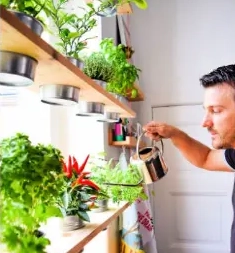
As you cultivate a flourishing garden, you’ll find that the presence of plants can have a profound impact on your emotional well-being. For example, observing the growth and development of your plants over time can instill a sense of accomplishment and pride. Moreover, the fragrant scents of herbs like lavender, rosemary, or mint can have calming and soothing effects, further contributing to a serene atmosphere in your living space.
In addition to the mental health benefits, surrounding yourself with greenery can lead to tangible improvements in your home’s air quality and oxygen levels. Plants are natural air purifiers, as they absorb carbon dioxide and other pollutants while releasing fresh oxygen through the process of photosynthesis. This exchange results in cleaner air and a healthier living environment for you and your loved ones. Some particularly effective air-purifying plants include spider plants, snake plants, and Boston ferns, which can be easily incorporated into your vertical garden.
Overall, the act of caring for a vertical indoor food garden provides a holistic approach to well-being, encompassing both mental and physical health benefits. By creating a lush and thriving green space within your home, you can enhance your overall quality of life while contributing to a healthier living environment.
Creative Opportunities: Aesthetic Appeal and Personal Expression Through Innovative Design
Vertical indoor food gardening offers a fantastic opportunity to express your creativity through garden design and the selection of diverse plant varieties. With a plethora of options available, you can create a visually stunning and appetizing indoor garden that reflects your personal tastes and preferences. From the vibrant hues of rainbow chard and the delicate tendrils of pea shoots to the fragrant leaves of aromatic basil, your indoor garden can be both a feast for the eyes and a culinary delight.
Experimentation with various structures and materials allows you to craft a personalized space that is uniquely yours. For instance, you can repurpose wooden pallets, hanging pots, or wall-mounted planters to construct a visually intriguing vertical garden that complements your home’s interior design. Incorporating elements such as LED grow lights, trellises, or drip irrigation systems can further enhance the functionality and aesthetics of your garden.
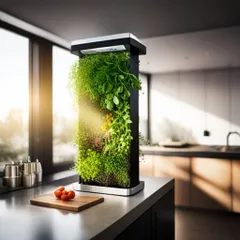
In addition to selecting different plant species, you can also play with color, texture, and height variations to create a visually dynamic and engaging environment. By thoughtfully arranging plants in complementary patterns, you can achieve a harmonious balance between form and function. For example, you might position taller, sun-loving plants at the top of your vertical garden to maximize light exposure, while placing shorter, shade-tolerant plants near the bottom.
Don’t be afraid to mix edible plants with ornamental ones, such as flowering plants or foliage with distinct shapes and colors. This approach can add an extra layer of visual interest and create a truly unique indoor garden that showcases your creativity and passion for gardening.
Cost-Effectiveness and Self-Sufficiency: Reaping the Benefits of Homegrown Produce
Cultivating your own vegetables and herbs in a vertical indoor food garden can pave the way for financial independence and self-sufficiency. Homegrown produce is often more cost-effective than store-bought alternatives, as you save on transportation costs, packaging expenses, and retail markups. Over time, the investment in seeds, soil, and gardening equipment can yield substantial savings as you continue to harvest fresh, delicious produce from your own garden.
As you become more proficient in growing your own food, you’ll find yourself increasingly self-reliant, reducing your dependence on external sources for sustenance. This autonomy can foster a sense of empowerment and resilience, as you gain the skills and confidence to provide for yourself and your family. In times of economic uncertainty or supply chain disruptions, having the ability to grow your own food can provide a valuable safety net and a greater sense of food security.
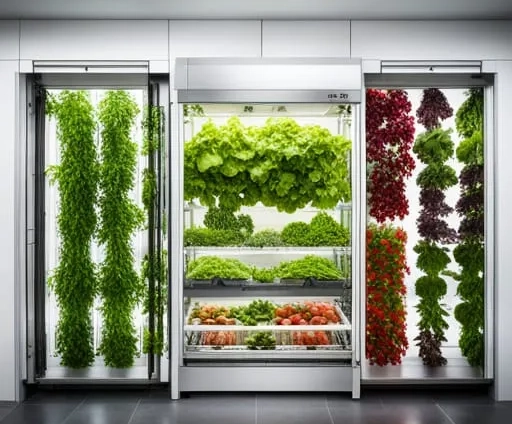
Another advantage of cultivating your own produce is the control you have over the use of pesticides and other chemicals. Many store-bought vegetables and herbs are treated with synthetic pesticides, which can leave residue on the produce and potentially pose health risks. By growing your own food, you can choose to adopt organic gardening practices, using natural pest control methods and avoiding the use of harmful chemicals. This approach ensures that your produce is not only safe for consumption but also healthier for you and the environment.
Hands-On Learning for All Ages: Engaging Educational Experiences in Horticulture
Vertical indoor food gardens offer an engaging and enriching educational experience for gardeners of all ages, providing valuable life lessons and opportunities for personal growth. For children, participating in the process of sowing seeds, nurturing seedlings, and eventually harvesting their own produce can teach them essential values such as patience, responsibility, and the interconnectedness of nature. They will gain a deeper understanding of where their food comes from, as well as the time and effort required to grow it, instilling a greater appreciation for the natural world.
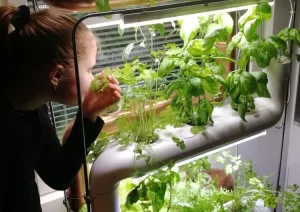
For adults, a vertical indoor food garden serves as a dynamic classroom, where they can hone their horticultural skills, discover new plant varieties, and experiment with innovative gardening techniques. This ongoing learning process can foster a sense of curiosity and personal achievement, as they witness the fruits of their labor transform into flourishing plants and bountiful harvests. Additionally, gardening can provide a welcome respite from the stresses of daily life, offering a peaceful and meditative space for reflection and relaxation.
Families can find common ground and bond over shared gardening activities, fostering communication and collaboration among family members. Working together to create and maintain a thriving indoor garden can strengthen relationships, as well as promote a sense of teamwork and shared purpose. These shared experiences can open up conversations about nature, sustainability, and the importance of caring for our environment, helping to cultivate a deeper understanding of nature’s cycles and our role in preserving them.
Enhanced Home Aesthetics: A Visually Pleasing Addition to Your Living Space
Apart from the practical benefits of growing your own food, vertical indoor gardens can significantly enhance the aesthetics of your living space, bringing beauty, vibrancy, and a sense of harmony to your home. Integrating a garden into your home’s interior not only adds a touch of nature and tranquility but can also serve as an eye-catching focal point that complements and elevates your overall interior design.
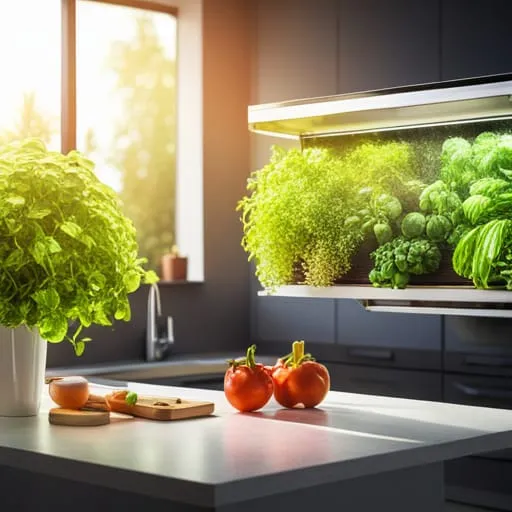
By incorporating a variety of plant species, colors, and textures into your vertical indoor garden, you can create a visually dynamic and inviting environment that reflects your personal style and taste. For instance, you can mix leafy greens with colorful edible flowers, like nasturtiums or pansies, to add an element of surprise and whimsy to your garden. Different shades of green, from the deep hues of kale to the soft tones of lettuce, can also provide a rich and varied palette that evokes a sense of lushness and vitality.
In addition to selecting diverse plant species, you can play with height and shape variations to create an engaging and visually interesting arrangement. Combining tall, upright plants with cascading or trailing varieties can create a sense of depth and movement in your vertical garden, drawing the eye and inviting closer inspection. You can also experiment with different materials and garden structures, such as wall-mounted planters, hanging baskets, or even repurposed ladders, to further personalize your indoor garden and make it a true reflection of your creativity and style.
Ultimately, a well-designed vertical indoor garden can serve as both a functional and aesthetic addition to your living space. By thoughtfully selecting and arranging plants, colors, and textures, you can transform your indoor garden into a captivating and inviting environment that seamlessly blends with your home’s interior design, while also providing the practical benefits of fresh, homegrown produce.
Conclusion: Cultivate Your Indoor Eden and Reap the Harvest of Homegrown Prosperity
By embracing the benefits of vertical indoor food gardening, you invite a wealth of health, sustainability, and personal growth into your home. This green revolution is not only an investment in your well-being but also a commitment to our planet’s future. As you venture into the world of indoor gardening, you’ll discover the transformative impact it can have on your living space, lifestyle, and the environment. So, gather your tools, sow your seeds, and prepare to harvest the boundless prosperity that awaits you in the verdant embrace of your own indoor Eden.