Vertical indoor gardens have gained recognition as a groundbreaking and eco-friendly approach for urban dwellers looking to grow fresh produce within the limited space of their homes. By taking advantage of vertical space through tiered shelving systems, hanging planters, or wall-mounted installations, homeowners can successfully cultivate a wide array of plants, ranging from leafy greens to herbs and even fruit-bearing species, all within the confines of their compact living areas. In this comprehensive guide, we will discuss the core principles of nurturing a thriving and productive vertical indoor garden, while optimizing your home-based indoor farming experience through efficient practices and sustainable techniques.
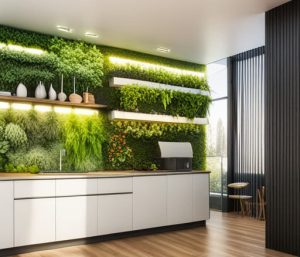
To create a flourishing vertical indoor garden, it is crucial to carefully select and strategically arrange your plants based on their individual needs and growth habits. Grouping plants with similar water, light, and nutrient requirements can simplify maintenance and ensure that each plant receives the necessary care for optimal growth.
Additionally, it is essential to choose a suitable vertical garden structure that meets the needs of both your space and the plants you wish to grow. There are various types of vertical garden systems available, such as modular wall planters, tiered shelves, and vertical hydroponic systems. Consider factors like ease of installation, maintenance requirements, and the overall aesthetic appeal when selecting the ideal structure for your home.
The following elements are crucial in maintaining a productive vertical indoor garden:
Soil and Growing Medium: Selecting the appropriate soil or growing medium is vital to the success of your indoor garden. For soil-based systems, opt for a high-quality, well-draining potting mix that retains moisture and provides adequate aeration. For hydroponic systems, choose a suitable growing medium like coconut coir, perlite, or rockwool that supports plant growth without soil.
Temperature and Humidity: Maintaining optimal temperature and humidity levels is essential for your plants’ health. Keep the temperature between 65-75°F (18-24°C) and maintain a humidity level of 40-60% to create a comfortable environment for most plants. Be mindful of microclimates within your vertical garden, as plants located near windows or heating sources may experience different conditions than those in other parts of the structure.
Air Circulation: Good air circulation is crucial for preventing fungal diseases and promoting healthy plant growth. Install a small fan or regularly open windows to ensure fresh air circulation within your indoor garden space. Avoid overcrowding your plants, as this can limit air movement and create conditions conducive to disease.
Maintenance Schedule: Establishing a regular maintenance routine is key to the long-term success of your vertical indoor garden. Set a schedule for watering, fertilizing, pruning, and monitoring your plants for pests or diseases, and adjust the frequency based on your plants’ specific needs and the changing seasons.
By following these core principles and implementing the detailed maintenance practices outlined in this guide, you can create a thriving vertical indoor garden that yields fresh produce and adds a vibrant touch of nature to your urban living space. With careful planning, dedication, and sustainable practices, you will not only reap the rewards of homegrown food but also contribute to a greener, more eco-conscious lifestyle.
Part 1: Essential Maintenance Practices for Your Vertical Indoor Garden
Watering Your Indoor Garden
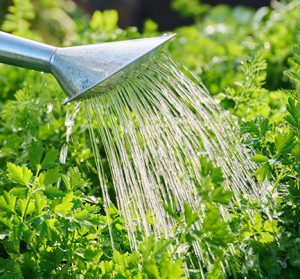
Proper watering is crucial for the well-being of your vertical indoor garden. Given that different plant species have unique watering requirements, it’s essential to consistently check soil moisture levels and adjust watering accordingly. Some methods to ensure proper hydration include:
- Using a moisture meter: This tool can provide accurate readings of your soil’s moisture content, helping you determine when to water your plants.
- Assessing the soil manually: Feel the soil with your fingers; if it feels dry an inch below the surface, it’s time to water.
To prevent overwatering and promote even water distribution, consider investing in a drip irrigation system or self-watering planters. These systems deliver water directly to the root zone, reducing water waste and preventing common issues like root rot. Remember that plants situated on the top tier of your vertical garden will generally dry out faster than those on lower levels due to increased evaporation, so adjust your watering schedule accordingly.
Illuminating Your Indoor Garden
Adequate lighting is essential for sustaining a thriving vertical indoor garden. Most plants require a minimum of six hours of sunlight daily, so positioning your garden near a window that receives ample natural light is crucial. However, if your space lacks sufficient sunlight, consider supplementing with grow lights. Some options include:
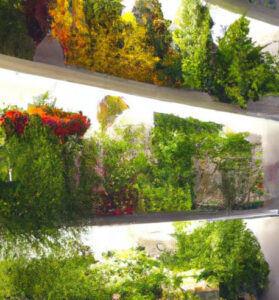
- LED grow lights: Energy-efficient and long-lasting, LED lights provide a full spectrum of light to support plant growth.
- Fluorescent grow lights: Available in various sizes and shapes, these lights are suitable for smaller gardens and can support plant growth through different life stages.
Ensure that your grow lights are installed at the appropriate distance from your plants and adjust the duration of light exposure based on the specific needs of your plant species.
Pruning and Training Your Indoor Garden
Regular pruning and training are essential to maintain the health and aesthetics of your vertical indoor garden. Some key practices include:
- Removing dead or yellowing leaves: This promotes new growth, improves air circulation, and helps prevent the spread of diseases.
- Pinching back growth tips: This encourages bushier growth and prevents plants from becoming leggy.
- Training climbing plants: Utilize a trellis, stakes, or other support structures to guide the growth of climbing or vining plants, preventing them from overtaking neighboring plants and ensuring they receive adequate light.
Inspect your plants regularly and address any growth issues promptly to maintain a balanced, attractive vertical garden.
Fertilizing Your Indoor Garden
Providing essential nutrients through fertilization is crucial for optimal plant growth in your vertical indoor garden. Some best practices include:
- Choosing the right fertilizer: Opt for an organic fertilizer specifically formulated for your chosen plants, such as a balanced N-P-K (Nitrogen-Phosphorus-Potassium) fertilizer or a specialized mix for specific plant types.
- Following application guidelines: Adhere to the recommended application rates and intervals provided by the fertilizer manufacturer to avoid over- or under-fertilizing.
- Monitoring plant health: Keep an eye on your plants for signs of nutrient deficiencies or imbalances, such as yellowing leaves, stunted growth, or poor fruit production. Adjust your fertilization practices accordingly to address any issues.
By carefully managing your watering, lighting, pruning, and fertilizing practices, you can create a vibrant, healthy, and productive vertical indoor garden that brings fresh produce and natural beauty to your urban living space.
Part 2: Pest and Disease Management in Your Vertical Indoor Garden
Monitoring Your Indoor Garden

Regular monitoring of your vertical indoor garden is crucial to identify and address potential problems before they escalate. Inspect your plants carefully for any signs of pests or diseases, and consider the following steps for effective monitoring:
- Establish a routine: Set a regular schedule for inspecting your plants, ideally at least once a week. Consistency is key to catching issues early.
- Examine leaves and stems: Check both the upper and lower surfaces of leaves and inspect stems for signs of damage or infestation, such as discolored foliage, holes, or a sticky residue.
- Monitor plant health: Keep an eye on your plants’ overall health, noting any changes in growth patterns or vigor. Unusual symptoms may indicate underlying issues, such as nutrient deficiencies or pest infestations.
Prompt detection and action are essential for preventing minor issues from becoming significant problems that can compromise the health of your entire garden.
Preventing Pests and Diseases
Preventative measures are vital in maintaining a healthy environment for your vertical indoor garden, reducing the likelihood of pest infestations and diseases. Consider the following best practices for prevention:
- Cleanliness: Swiftly remove dead plant matter, fallen leaves, and debris to eliminate potential breeding grounds for pests and diseases.
- Quarantine new plants: Before introducing new plants to your garden, keep them in a separate area for a week or two to ensure they are free of pests and diseases.
- Adequate air circulation: Ensure proper air movement around your plants by providing sufficient spacing and using fans if necessary. Good air circulation helps prevent the growth of mold and mildew and deters pests.
Treating Pests and Diseases
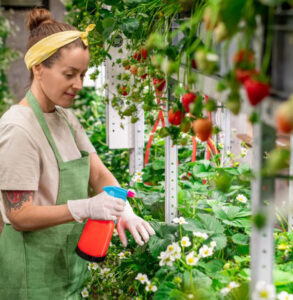
Despite your best efforts, pests and diseases may still find their way into your vertical indoor garden. In such cases, employ organic and environmentally-friendly treatments to resolve the issue. Some options include:
Insecticidal soap: A gentle yet effective treatment for common pests such as aphids, spider mites, and whiteflies. Apply according to the manufacturer’s instructions, ensuring thorough coverage of the affected plants.
Neem oil: A natural pesticide and fungicide, neem oil can help control pests and prevent the spread of fungal diseases. Dilute neem oil with water as recommended by the manufacturer and apply to affected plants.
Indoor plant fungicides: For fungal diseases, apply a fungicide specifically designed for indoor plants. Always follow the manufacturer’s guidelines regarding application rates and safety precautions.
Conclusion: A Gratifying Pursuit
Although maintaining a vertical indoor garden demands effort and meticulous attention, the benefits are well worth the investment. By adhering to the guidelines detailed in this guide, you can savor fresh, homegrown produce year-round while adding a stunning, verdant centerpiece to your living space.
Regularly assess your garden’s needs concerning water, light, pruning, and fertilization, and remain vigilant for any signs of pests or diseases. With proper maintenance, your vertical indoor garden will thrive, offering you a sustainable food source and a connection to nature within your urban setting.
By incorporating these maintenance tips and optimizing your garden for factors such as lighting, watering, and pest control, you’ll be on the path to cultivating a flourishing vertical indoor garden. Not only will you relish in the satisfaction of growing your own food, but you’ll also contribute to a more eco-friendly lifestyle by reducing your dependence on store-bought produce.
So, go ahead, roll up your sleeves and immerse yourself in the world of vertical indoor gardening. With the right care and commitment, you’ll soon have a lush, green sanctuary right at the heart of your home. The rewards of home-based vertical indoor farming will not only enhance the aesthetics of your living space but also provide you and your family with fresh, nutrient-rich produce, fostering a healthier and more sustainable lifestyle.
Happy gardening, and may your home-based vertical indoor garden prosper and bring you joy!
