Nestled within an urban setting, a dedicated gardener nurtures a verdant vertical hanging garden. This ingenious, space-saving solution has brought a breath of fresh air to the realm of urban gardening. The charm of vertical hanging gardens lies not only in their aesthetic appeal but also in their functionality. But how do you optimize space in such a garden? This comprehensive guide explores how garden enthusiasts can maximize the potential of their vertical hanging garden designs.
Understanding the Basics of Vertical Hanging Gardens

Vertical hanging gardens, also known as hanging wall gardens or green walls, have seen a surge in popularity, particularly among urban gardeners. These gardens are not just a fleeting trend, but a practical approach to tackling space constraints in urban settings. They enable hobby gardeners to cultivate a diverse range of plants in compact areas, such as patios, balconies, or even indoor spaces.
Vertical hanging gardens are essentially vertical structures adorned with hanging plants, converting bland walls into thriving green canvases. The variety of plants you can incorporate is almost limitless, ranging from flowering plants and ferns to herbs and vegetables. As a garden enthusiast, vertical hanging gardens allow you to unleash your creativity, designing a living masterpiece that not only beautifies your space but also contributes to a healthier, fresher environment.
Planning Your Vertical Hanging Garden Design
To optimize space in a vertical hanging garden, strategic planning is vital. Start by considering the primary purpose of your garden. Are you seeking to grow your own herbs and vegetables? Or is your goal to create a visually stunning green display? Your purpose will influence your design decisions and plant selection.
Choosing the right location for your vertical garden is another essential step in the planning phase. The location should receive adequate sunlight based on the needs of your chosen plants. Most herbs and vegetables require at least six hours of sunlight each day, while some flowering plants and ferns can tolerate partial shade.
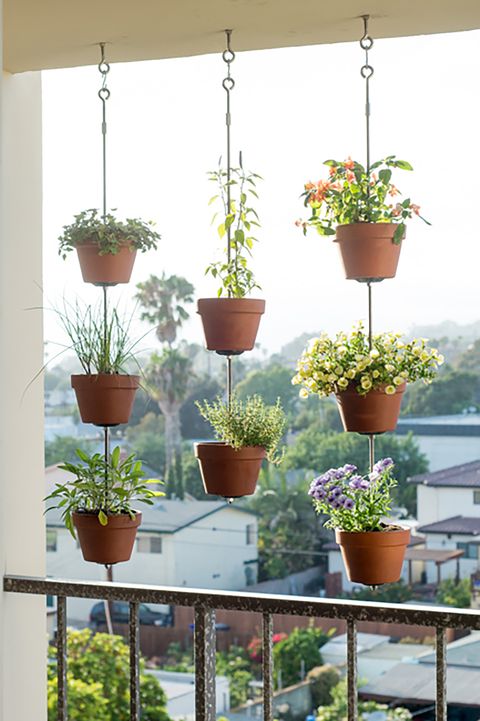
When selecting plants, consider their growth habits and size at maturity. Plants that have a trailing or cascading growth habit can provide excellent coverage and add visual interest. However, they may also compete with other plants for space and resources. For a balanced and harmonious design, mix larger, anchor plants with smaller, filler species.
Finally, remember to plan for irrigation. Vertical gardens can dry out quickly, especially in hot weather. An irrigation system, whether manual or automated, can help ensure your plants get the water they need without excessive runoff or waste.
Maximizing Vertical Space in Your Hanging Garden
Maximizing vertical space is the key to a successful vertical hanging garden. One effective strategy is to use tiered hanging planters. These can be store-bought or DIY, made from materials like wood, metal, or recycled plastic. Tiered planters allow you to grow multiple plants in a small footprint, and they can be arranged to optimize sunlight exposure for each plant.
Hanging baskets are another great tool for vertical gardening. They can add depth and visual interest to your garden and are perfect for growing trailing plants like ivy, petunias, or trailing tomatoes.
For a truly lush, green wall, consider incorporating climbing plants. Climbers such as ivy, climbing roses, or beans can cover large areas of your wall garden, creating a dense and vibrant backdrop. Be sure to provide a trellis or other support structure for these plants to climb.
Key Maintenance Tips for Your Vertical Hanging Garden
Maintenance is what keeps your vertical hanging garden thriving. Regular watering is essential, as vertical gardens can dry out more quickly than traditional ground-level gardens. However, be careful not to overwater, as this can lead to root rot and other problems. A good rule of thumb is to water when the top inch of soil feels dry to the touch.
Pruning and trimming your plants is another important aspect of hanging garden maintenance. Regularly prune your plants to maintain their shape and health. This not only makes your garden look tidier but also promotes better air circulation and helps control the growth of the plants, ensuring they don’t crowd out their neighbors.
Monitoring for pests and diseases is crucial in hanging gardening. Due to the close proximity of plants, pests or diseases can spread quickly if not promptly addressed. Check your plants regularly for signs of trouble, such as yellowing leaves, spots, or unusual insect activity.
Feeding your plants is also essential. Hanging gardens typically have less soil than ground gardens, which can deplete nutrients more quickly. Use a high-quality organic fertilizer to feed your plants and replenish nutrients. The type and frequency of fertilizing will depend on the needs of your specific plants, so do your research or consult with a gardening expert.
Finally, remember to rotate your plants periodically. This can help ensure that all plants get equal exposure to sunlight and can prevent certain species from dominating the garden.
Finding Ideal Locations for Your Vertical Hanging Garden
Finding the right location for your vertical hanging garden is vital for its success. Start by assessing potential locations for sunlight exposure. Most plants need a good amount of sunlight to grow, so choosing a wall that receives adequate light is essential. If your space doesn’t get much sunlight, don’t worry – there are plenty of shade-loving plants that you can choose from.
Accessibility to water is another important consideration. Your vertical garden will need regular watering, and having a water source nearby can make maintenance much easier. If an outdoor water source isn’t available, consider a location indoors that’s close to a sink.
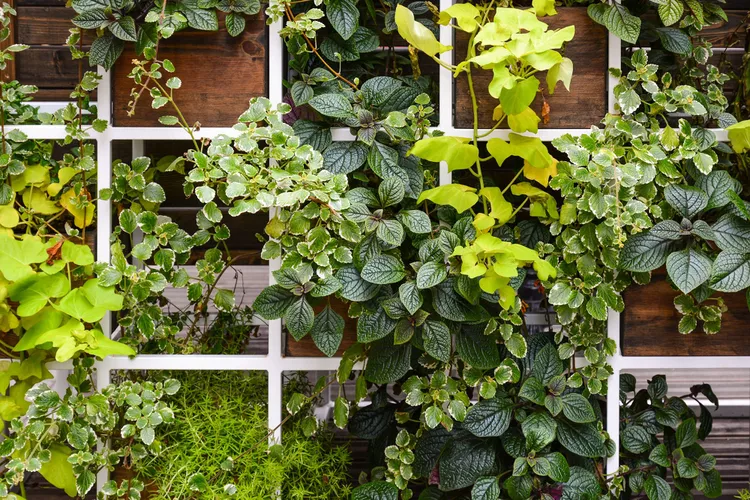
The material of the wall also plays a role. Some materials, like concrete or metal, can retain heat, which might be harmful to certain plants. Others, like wood, can be damaged by prolonged exposure to moisture. If you’re not sure if your wall is suitable for a hanging garden, consider using a freestanding structure instead.
Ensure proper drainage in your chosen location. Standing water can lead to root rot and other issues, so your vertical garden should be designed to allow excess water to drain away easily.
Finally, remember that vertical gardens, especially when watered, can be quite heavy. Make sure the wall or structure you choose is strong enough to support the weight of the garden. If you’re unsure, it may be best to consult with a structural engineer or other professional.
Best Plants for Vertical Hanging Gardens
The choice of plants for your vertical hanging garden can greatly influence its success. While many plants can thrive in a vertical setting, some are especially well-suited due to their growth habits, size, and adaptability. Here’s a curated list of herbs, vegetables, fruits, and decorative plants that could excel in your vertical garden.
Best Herbs for Hanging Vertical Gardens
Mint: Known for its vigorous growth, mint is a great option for a vertical garden. It’s a hardy perennial that enjoys a partially shaded spot.
Basil: This heat-loving herb is perfect for sunny vertical gardens. It has a compact growth habit and responds well to regular pruning, promoting bushier growth.
Thyme: With its trailing growth habit, thyme is a beautiful addition to any vertical garden. It’s a sun-loving herb that’s drought-tolerant.
Best Vegetables for Hanging Vertical Gardens
Spinach: This leafy green does exceptionally well in vertical gardens. It’s a compact plant that thrives in partially shaded spots.
Cherry Tomatoes: Choose a trailing or “tumbling” variety of cherry tomatoes for your vertical garden. They’ll drape beautifully over the edge of your planters.
Lettuce: Fast-growing and compact, various types of lettuce are ideal for vertical gardening.
Best Fruits for Hanging Vertical Gardens
Strawberries: Known for their ability to grow in hanging baskets, strawberries are an excellent choice. They grow well in sunlit areas and produce fruits in abundance.
Dwarf Raspberry: There are dwarf raspberry varieties available that are suitable for vertical gardens. They need full sun and well-draining soil to thrive.
Best Decorative Plants for Hanging Vertical Gardens
Ferns: Many ferns, such as Boston ferns, have a lovely cascading habit that makes them ideal for vertical gardens. They generally prefer shade and consistent moisture.
Succulents: Various succulents like sedums or echeverias have shallow root systems that are perfect for vertical gardens. They are low-maintenance and add a unique texture.
Ivy: Ivies are climbers that can provide excellent coverage in a vertical garden. They can thrive in both sunny and shaded locations.
Choosing the right plants for your vertical garden depends on various factors such as the light availability, climate, and the overall look you want to achieve. Experimenting with different combinations of these plants can lead to a vibrant, diverse, and productive vertical hanging garden.
Conclusion: The Joy of Vertical Hanging Gardens
Vertical hanging gardens are a testament to the ingenuity of urban gardening, bringing greenery to the most unlikely places. They offer a unique way to cultivate a wide variety of plants, even in the smallest spaces. As a hobby gardener, the process of planning, creating, and maintaining a vertical hanging garden can be a rewarding journey. With careful planning, appropriate plant selection, and regular maintenance, you can optimize space in your vertical hanging garden and enjoy the benefits of this innovative form of gardening. Whether you’re growing food, creating a green retreat, or simply adding life to a bare wall, a vertical hanging garden can turn any space into a verdant oasis.
FAQs for Optimizing a Vertical Hanging Garden
What is a vertical hanging garden?
A vertical hanging garden is a gardening method that maximizes small spaces by growing plants vertically, often using walls or free-standing structures. This method can be used in various settings, including urban environments with limited space.
How can I optimize space in my vertical hanging garden?
You can optimize space by strategically planning your garden design. Consider using tiered planters, hanging baskets, or climbing plants to maximize vertical space. Regular pruning can also help manage plant growth and prevent overcrowding.
Which location is best for setting up a vertical hanging garden?
The ideal location should receive adequate sunlight based on your chosen plants’ needs. It should also have easy access to water for irrigation, and the wall or structure should be strong enough to support the garden’s weight.
What types of plants can I grow in my vertical garden?
The choice of plants will depend on your climate, the amount of sunlight your space receives, and your personal preferences. However, some plants known to do well in vertical gardens include various herbs (like mint, basil, and thyme), vegetables (like spinach, cherry tomatoes, and lettuce), fruits (like strawberries and dwarf raspberries), and decorative plants (like ferns, succulents, and ivy).
What are the maintenance needs for a vertical hanging garden?
Regular watering, pruning, and feeding are vital for maintaining a healthy vertical garden. Monitoring for pests and diseases is also essential due to the close proximity of plants. Lastly, you may need to rotate your plants periodically to ensure even sunlight exposure.
Can I have a vertical hanging garden indoors?
Yes, vertical gardens can be established indoors, provided that the plants receive adequate light and care. Indoor vertical gardens are a great way to introduce greenery into your living or workspace.
How do I water a vertical hanging garden?
Vertical gardens can dry out quickly, so regular watering is essential. You could manually water your plants or set up an automated irrigation system. Either way, ensure there is proper drainage to avoid root rot and other issues.
What materials can I use to build my vertical garden?
You can use various materials, like wood, metal, or recycled plastic, depending on your preference and available resources. Ensure that the material can support the weight of the garden when watered.
How can I prevent pest and disease issues in my vertical garden?
Regular monitoring can help catch any pest or disease issues early. If a problem is spotted, isolate the affected plant if possible, and treat the issue promptly using appropriate methods.
Is a vertical hanging garden suitable for growing food?
Absolutely. Many herbs, vegetables, and fruits can thrive in vertical hanging gardens, making them an excellent option for growing your own food in limited spaces.

No Responses