In the center of the urban maze, an enthusiast delicately curates a flourishing vertical hydroponic garden. This revolutionary, space-saving solution has revamped the very idea of indoor gardening. Vertical hydroponic gardens, or “vertical hydroponics systems”, have captivated many due to their aesthetic charm and practical functionality. But how can one maximize the use of space in such a garden? This in-depth guide explores how hydroponic enthusiasts can fully leverage the design of their vertical hydroponic garden.
Understanding the Basics of Vertical Hydroponic Gardens

Vertical hydroponic gardens, also known as hydroponic towers or hydroponic wall gardens, have swiftly gained traction among gardening enthusiasts. These gardens are not merely a trend but a practical approach to overcoming space limitations in indoor environments. They enable hobby gardeners to grow a diverse array of plants in compact areas, such as apartments, balconies, or indoor rooms.
What can you grow in a vertical hydroponic garden? Well, the choice is really up to you. For instance, you can grow various herbs like basil, parsley, and thyme in a vertical hydroponic tower. Vegetables like lettuce, spinach, and kale, which have relatively small root systems, also do particularly well. Even strawberries and tomatoes can be successfully grown in these systems. You can also grow ornamental plants like ferns and philodendrons that can add to the aesthetic value of your space. As a hydroponic enthusiast, the vertical garden offers you an opportunity to exercise your creativity, designing a living piece of art that not only embellishes your surroundings but also contributes to a cleaner and healthier environment.
Planning Your Vertical Hydroponic Garden Design
Strategic planning is essential to optimize space in your vertical garden. Begin by identifying the primary purpose. Are you aiming to grow food for personal consumption? Perhaps you’re looking to enhance your living space with vibrant greenery? Your purpose will guide your design decisions, plant selection, and care routine.

If you want a fresh supply of herbs for cooking, consider creating a hydroponic wall garden DIY-style in your kitchen. If you’re looking for a unique decorative element for your living room, consider a commercial vertical growing system with various ornamental plants.
When selecting plants, take into account their growth habits, mature size, and light and nutrient needs. Plants that spread or trail can offer good coverage and aesthetic appeal, but they may also compete with other plants for space and nutrients. For a balanced and harmonious design, mix larger, anchor plants with smaller, filler species.
Don’t forget to plan for irrigation. Hydroponic gardens rely on a system to deliver nutrient-rich water to the plants. Whether it’s a drip system, wick system, or aeroponic system, an efficient irrigation setup ensures your plants receive the necessary nutrients without wastage.
Maximizing Vertical Space in Your Hydroponic Garden
Maximizing vertical space is the secret to a successful vertical hydroponic garden. Using tiered hydroponic systems is an effective strategy. These can be store-bought as part of commercial vertical growing systems or DIY designs, and they allow you to grow multiple layers of plants within a small footprint, ensuring each plant receives optimum sunlight exposure.
Another useful tool for vertical gardening is the use of hanging or wall-mounted hydroponic systems. These systems add depth and visual interest to your garden and are perfect for growing smaller plants like herbs or flowers that don’t require a lot of root space.

If you’re looking to create a lush, green wall, consider incorporating vining plants like beans, peas, or vining tomatoes. These climbers can cover large areas of your vertical garden, creating a dense and vibrant backdrop. Remember to provide appropriate support for these plants to thrive.
Key Maintenance Tips for Your Vertical Hydroponic Garden
Maintaining your garden requires regular attention. This includes regular monitoring of your nutrient solution because nutrient imbalances can arise quickly in hydroponic systems. Make sure to frequently check the pH and nutrient levels of your solution, as this is key to ensuring your plants are getting what they need to thrive.
Pruning and trimming your plants is also crucial. Regularly prune your plants to maintain their shape and health. This not only makes your garden look tidier, but it also promotes better air circulation and helps control the growth of the plants, ensuring they don’t crowd out their neighbors.
Despite being less prone to soil-borne diseases, hydroponic systems can still encounter pests or diseases. Check your plants regularly for signs of trouble, such as yellowing leaves, spots, or unusual insect activity.
Maintaining the right temperature and humidity is also essential. Your hydroponic garden should be kept in an environment with a temperature between 65-75°F (18-24°C) and a relative humidity of 40-60%. These conditions promote plant growth and prevent the development of mold and diseases.
Finally, remember to periodically rotate your plants. This can help ensure that all plants get equal exposure to light and can prevent certain species from dominating the garden.
Finding Ideal Locations for Your Vertical Hydroponic Garden
Finding the right location is crucial for your garden’s success. While your plants won’t need natural sunlight due to the use of grow lights, the location should still be able to accommodate your lighting setup. Moreover, it should have easy access to water and electricity, as your vertical garden will need a reliable water source for the nutrient solution, and the pumps and lights in your system will require power.
The surrounding environment also matters. Basements or garages, for example, can be too cold or humid for a hydroponic garden. Ensure your chosen location has a suitable temperature and humidity level.
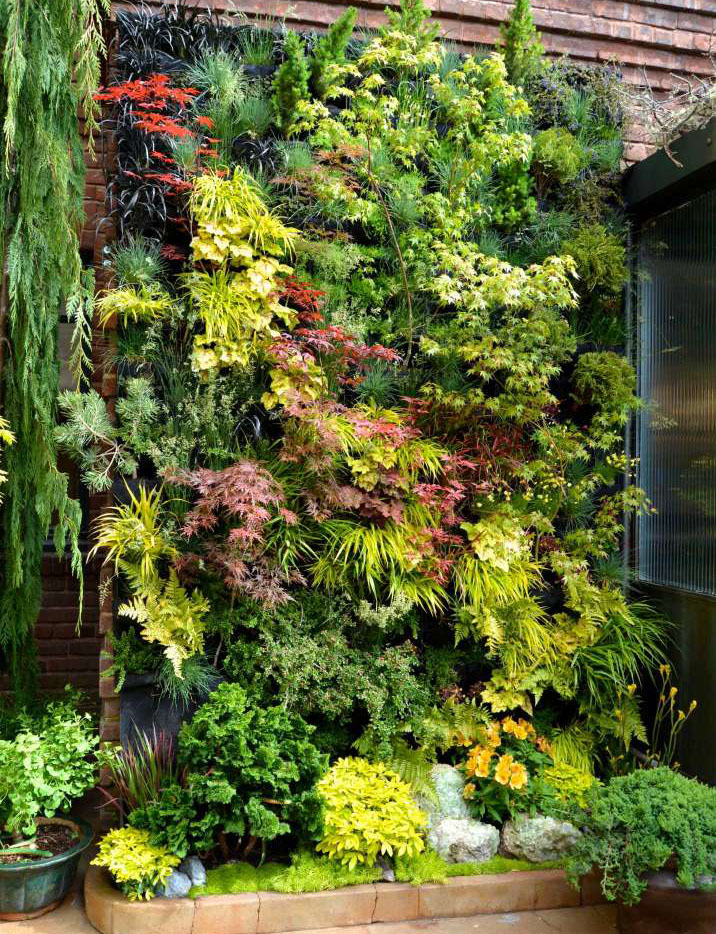
Ensure proper drainage in your chosen location. Although hydroponic systems use less water than traditional gardens, there can still be water spillage or leaks. Design your vertical garden to allow excess water to be easily cleaned up to prevent water damage.
Lastly, remember that vertical gardens, especially when fully set up and watered, can be quite heavy. The wall or structure you choose must be strong enough to support the weight of the garden. If you’re unsure, it may be best to consult with a structural engineer or other professional.
Conclusion: The Joy of Vertical Hydroponic Gardens
Vertical hydroponic gardens exemplify the ingenuity of indoor gardening, introducing lush greenery to the most unlikely of spaces. They provide a unique way to nurture a wide variety of plants within even the smallest spaces. For hydroponic enthusiasts, planning, creating, and maintaining a vertical hydroponic garden can be a rewarding journey filled with learning, creativity, and the satisfaction of seeing your plants flourish. With careful planning, appropriate plant selection, and diligent maintenance, you can optimize space in your vertical garden and enjoy the benefits of this innovative form of gardening.
