Vertical indoor food gardening melds sustainability and urban living, painting a lush picture of greenery cascading down your walls. As city dwellers increasingly search for creative ways to grow their own food, this method steps up, offering the freshness of produce within arm’s reach. However, cultivating a thriving indoor Garden of Eden demands skillful navigation through a maze of potential pitfalls. In this comprehensive guide, we’ll explore these challenges and equip you with the knowledge to overcome them, ensuring a verdant, fruitful vertical indoor food garden.
Pitfall 1: Insufficient Lighting – The Lightless Labyrinth
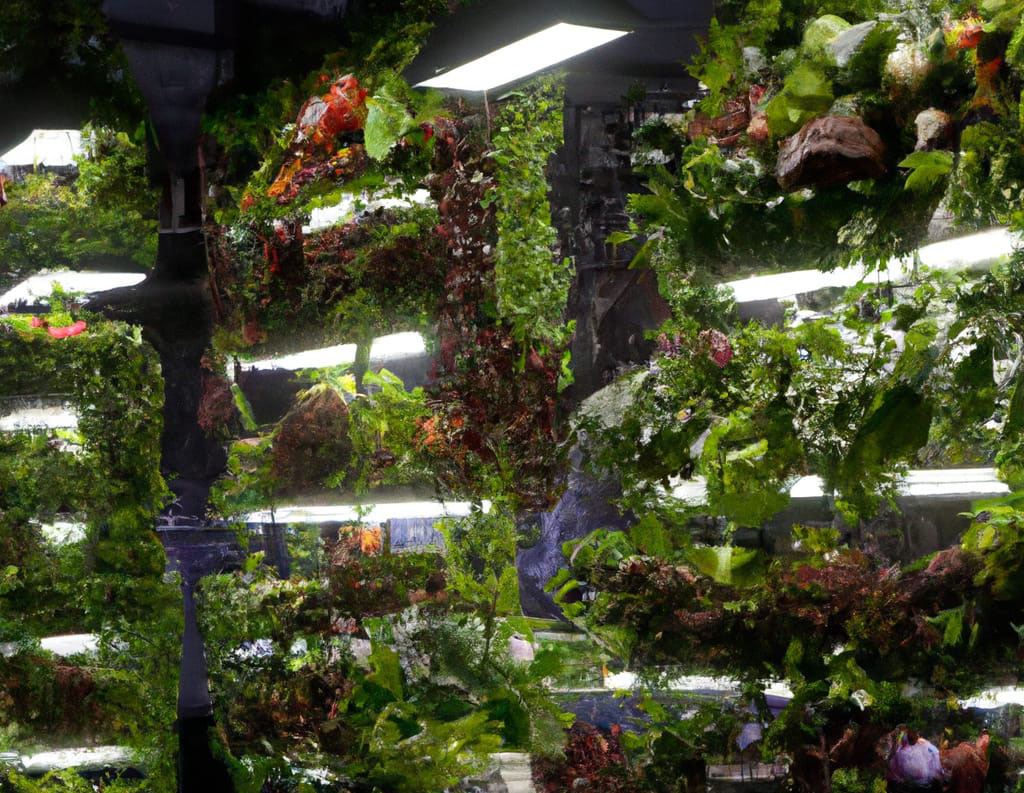
Finding the right lighting for your vertical indoor garden can feel like wandering through a lightless labyrinth. Although your plants yearn for the sun’s warm embrace, urban homes often lack the necessary natural light to support growth. To circumvent this obstacle, consider investing in the best full-spectrum LED grow lights for indoor gardening. These specialized lights simulate the sun’s rays, energizing and invigorating your greenery, allowing them to grow strong and vibrant even in sun-starved environments.
Pitfall 2: Limited Air Circulation – The Stifling Stranglehold
Poor air circulation can place a stifling stranglehold on your vertical garden’s growth, creating conditions conducive to diseases and pests. To defeat this foe, strategically place oscillating fans for indoor gardens around your vertical garden, generating a gentle, refreshing breeze that caresses your plants. This improved airflow not only helps maintain healthy humidity levels but also strengthens your plants’ stems, enabling them to stand tall and proud.
Pitfall 3: Unsuitable Plant Selection – The Fading Ensemble
The success of your vertical indoor garden depends on a harmonious ensemble of suitable plants. Choosing unsuitable plants can lead to a fading garden, where growth is stunted or plants simply don’t thrive. Opt for compact, shallow-rooted plants like lettuce, spinach, and herbs, which are among the best plants for vertical indoor gardens. These plants embrace the limited space provided by vertical living, growing strong and healthy in their cozy confines.
Pitfall 4: Imbalanced Watering – The Flood or Drought
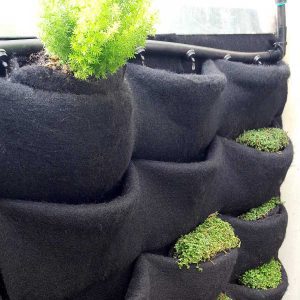
Striking the right balance between over-watering and under-watering is essential for a thriving vertical indoor garden. Over-watering drowns the roots, depriving them of oxygen, while under-watering leaves plants gasping for moisture, struggling to survive. To navigate this delicate balance, employ self-watering systems or drip irrigation for vertical indoor gardens. These systems maintain optimal moisture levels, ensuring your plants receive just the right amount of water to flourish.
Pitfall 5: Neglecting Pest Control – The Stealthy Invaders
Ignoring pest control can lead to an invasion of stealthy, unwelcome guests who feast on your hard work. Regularly inspect your garden for aphids, spider mites, whiteflies, and other pests. To prevent infestations, employ organic pest control methods for indoor gardens, such as neem oil and insecticidal soap. These natural remedies safely and effectively eradicate pests, protecting your plants and ensuring a bountiful harvest.
Pitfall 6: Overlooking Plant Nutrition – The Famished Orchestra
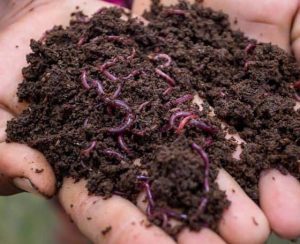
Neglecting plant nutrition can result in a famished orchestra, where your vertical indoor garden struggles to maintain its vigor. To keep your plants well-fed and robust, amend your soil with organic compost and worm castings. These natural soil amendments provide a sumptuous feast for your plants, enriching their environment with essential nutrients. Additionally, apply liquid organic fertilizers for indoor gardens to quench their thirst for vital minerals, promoting strong, healthy growth.
Pitfall 7: Overcrowding – The Smothering Clasp
Overcrowding can smother the growth of your vertical indoor garden, creating a stifling environment where plants struggle to thrive. The smothering clasp of too-close neighbors hinders growth, encourages diseases, and prevents plants from reaching their full potential. To sidestep this pitfall, give your plants enough space to breathe and spread their leaves. Adhere to the recommended spacing guidelines for vertical indoor gardens for each plant variety, allowing them room to grow and flourish.
Pitfall 8: Inconsistent Maintenance – The Waning Neglect
The waning neglect of inconsistent maintenance can sabotage your vertical indoor garden’s success. Regularly inspect your plants, monitoring their growth and checking for signs of distress. Prune dead leaves, remove diseased plants, and promptly address any pest infestations. Establish a routine for watering, fertilizing, and general upkeep. A vigilant gardener nurtures a thriving garden that stands tall, defying gravity’s pull
Conclusion
Embarking on the journey of vertical indoor food gardening, like any adventure, comes with its share of obstacles. By avoiding these common pitfalls and applying the practical tips outlined in this guide, you can transform your home into a bountiful, thriving sanctuary. Embrace the power of vertical space, create a sustainable food source, and savor the fruits of your labor – all while breathing new life into your urban dwelling.
Additional Tips for Success
As you progress in your vertical indoor food gardening journey, keep these additional tips in mind to ensure the best possible outcome:
- Monitor and adjust: Regularly assess your garden’s health and make adjustments as needed. This may include tweaking lighting schedules, modifying watering routines, or adjusting the placement of plants to optimize growth.
- Rotate your plants: Periodically rotate your plants to ensure they receive equal exposure to light, encouraging even growth and preventing certain areas from becoming overcrowded.
- Train and support: Train and support your plants as they grow. Climbing plants, such as peas or beans, may require additional support structures like trellises, while other plants may benefit from gentle guidance to keep them growing vertically.
- Keep learning: Stay informed about new techniques, technologies, and best practices in the realm of vertical indoor food gardening. The more knowledge you acquire, the more equipped you will be to overcome challenges and create a flourishing garden.
- Connect with fellow gardeners: Join gardening communities, both online and offline, to share your experiences, learn from others, and foster a supportive network of like-minded individuals.
By staying proactive, attentive, and open to learning, you will not only overcome the pitfalls of vertical indoor food gardening but also unlock the full potential of this innovative method. Your lush, bountiful harvest will stand as a testament to your dedication and passion, inspiring others to follow in your footsteps and embrace the wonders of vertical indoor gardening.
