Vertical gardening presents a unique, space-saving method to grow plants, yet it comes with its own unique set of challenges. By understanding these pitfalls, gardeners can navigate their way to a flourishing vertical garden. Here are common missteps to be aware of and avoid in your vertical gardening journey.
Inadequate Sunlight
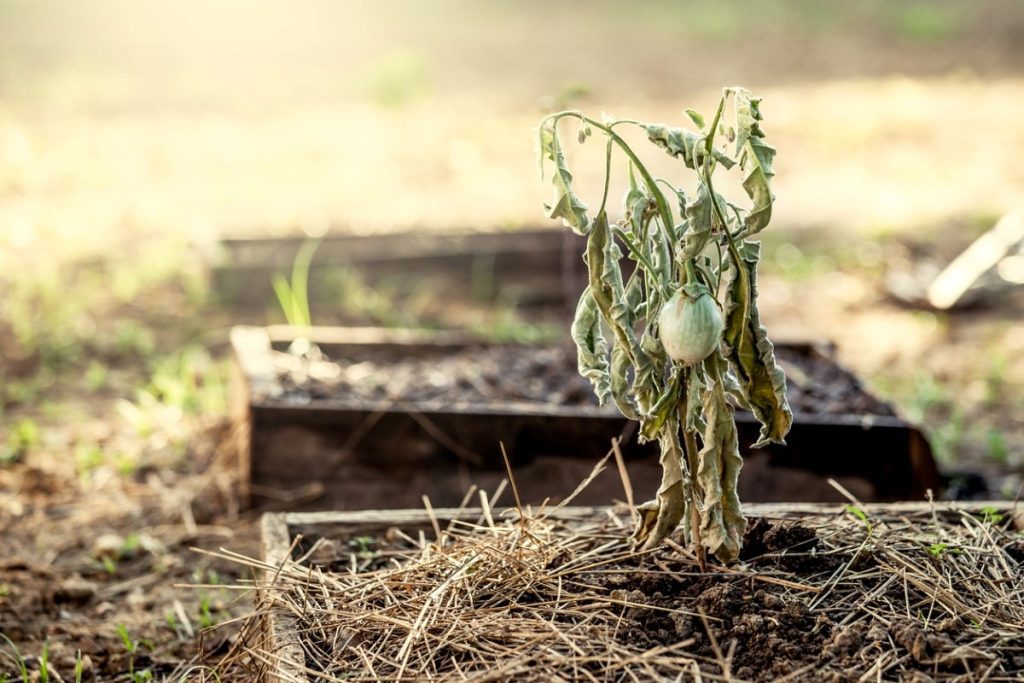
The amount of sunlight that your chosen location receives is one of the most critical factors in vertical gardening. Each plant species has its specific sunlight requirements, which can range from full sun (six or more hours of direct sunlight per day) to partial shade (three to six hours of sun per day, preferably in the morning and early afternoon). Shade-loving plants can get scorched in too much sun, while sun-loving plants can become leggy and fail to flower in too much shade. It’s essential to monitor the sunlight exposure in your chosen location throughout the day, across different seasons if possible, before deciding on the plant varieties for your vertical garden.
Poor Plant Selection
The choice of plants for your vertical garden can make or break its success. It’s crucial to select plants that suit the conditions (sunlight, wind exposure, hardiness zone), the available space, and the aesthetic you’re aiming for. A common mistake is choosing invasive species that can quickly overgrow the space and crowd out other plants. Fast-growing ivy, for instance, can look beautiful but may take over a small vertical garden quickly. Always research each plant’s growth habits and potential size before deciding on whether it’s a good fit for your vertical garden.
Incorrect Soil Type and pH
The health of your plants greatly depends on the soil type and pH. Different plants prefer different types of soil and pH levels. For example, succulents and Mediterranean herbs thrive in sandy, well-draining soil and neutral pH, whereas ferns and certain flowering plants prefer loamy, moisture-retentive soil with slightly acidic to neutral pH. Replenish the soil nutrients regularly, as they can deplete quickly in a vertical garden with limited soil volume.
The type of soil used in your vertical garden plays a crucial role in your plants’ health. Different plants have different soil preferences. Some need a well-draining soil mix to prevent waterlogging and root diseases, while others need a more moisture-retentive mix. Succulents and many Mediterranean herbs, for instance, prefer a sandy, well-draining soil, while ferns and some flowering plants prefer a loamier soil that holds moisture well. It’s also important to remember that the nutrients in the soil will need replenishing over time, especially in a vertical garden where the soil volume is relatively small and can get depleted quickly.
Improper Watering
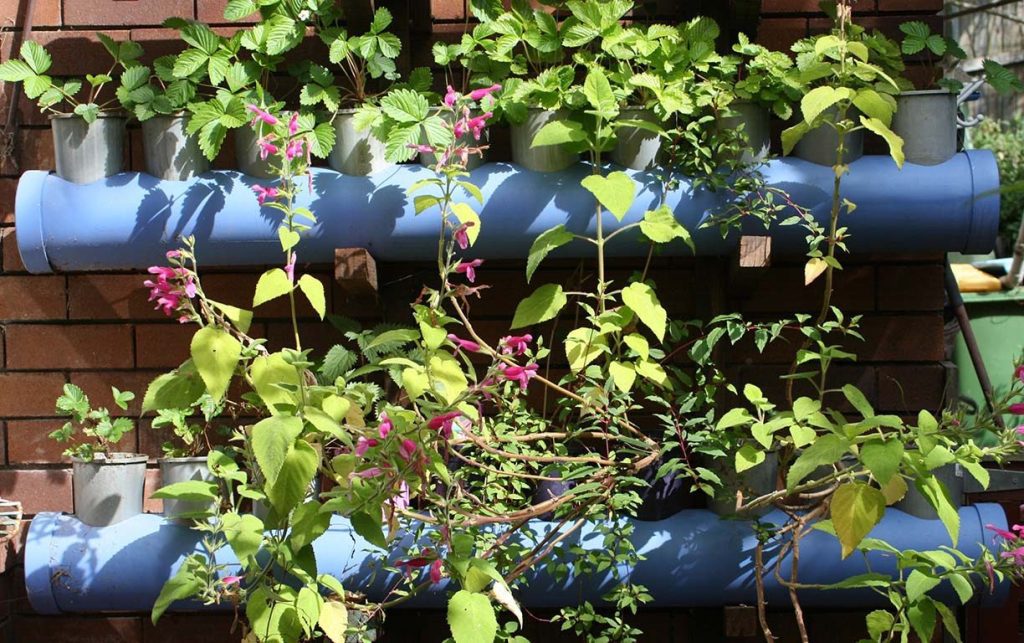
Watering is a tricky balance in vertical gardens. On the one hand, vertical gardens tend to dry out quickly due to their exposure to sun and wind and the effects of gravity. On the other hand, overwatering can cause root rot and promote the spread of fungal diseases. Understanding your plants’ watering needs and monitoring the soil moisture levels are key to effective watering. You may need to water certain parts of the garden more frequently than others, depending on the plants and their sun exposure.
Insufficient Space for Root Growth
In a vertical garden, the space for root growth can be limited, especially if you’re using a vertical planter with small pockets or cells. Choosing plants with large root systems or planting too many plants close together can lead to overcrowding. The plants will compete for nutrients and water, and their growth may be stunted. Consider the mature size of the plants and their spacing requirements when designing your vertical garden. Some plants, like many succulents and trailing plants, can cope well with limited root space, while others, like many vegetable crops, need more room to grow. Regular feeding with a suitable plant fertilizer can also help ensure that your plants get the nutrients they need to thrive.
Lack of Maintenance
While vertical gardens can be lower-maintenance than traditional garden beds, they still need regular attention to thrive. One common mistake is neglecting the ongoing needs of your vertical garden.
Firstly, ensure regular watering as vertical gardens can dry out faster due to their exposure and gravity’s effect. Also, feed your plants with the correct type and amount of fertilizer, ensuring they have the necessary nutrients for growth and development.
Pruning is also crucial in maintaining a vertical garden. Some plants can overgrow, causing uneven weight distribution that can jeopardize the stability of your vertical garden structure. Regular pruning keeps plants within their boundaries and encourages lush, bushy growth.
Inadequate Support Structure
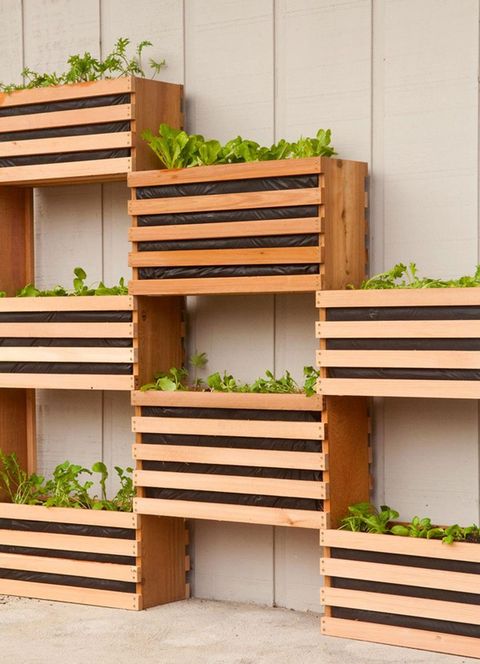
Vertical gardens can get heavy, especially after watering, so a sturdy structure is paramount. A common pitfall is underestimating the weight that the support structure will have to bear.
The type of structure you need will depend on what you’re growing. Light plants like herbs might do fine on a simple wooden pallet, but heavier plants with larger root systems will need a more substantial structure. Always account for the maximum weight—this includes mature plants, soil, and water.
Ignoring Plant Compatibility
While designing your vertical garden, understanding plant compatibility is crucial. Plant compatibility refers to how well certain plants grow together. Some plants can benefit each other by repelling pests, sharing nutrients, or creating a beneficial microclimate.
Consider plants’ needs for water, light, and nutrients. Don’t place a plant that loves the dry soil next to one that needs consistent moisture. Similarly, avoid placing a shade-loving plant beneath a plant that will grow large and block out sunlight.
Forgetting to Consider Aesthetics
While your primary focus might be plant health, don’t forget that one of the joys of vertical gardening is creating a beautiful display. Consider color schemes, textures, and varying heights when designing your garden.
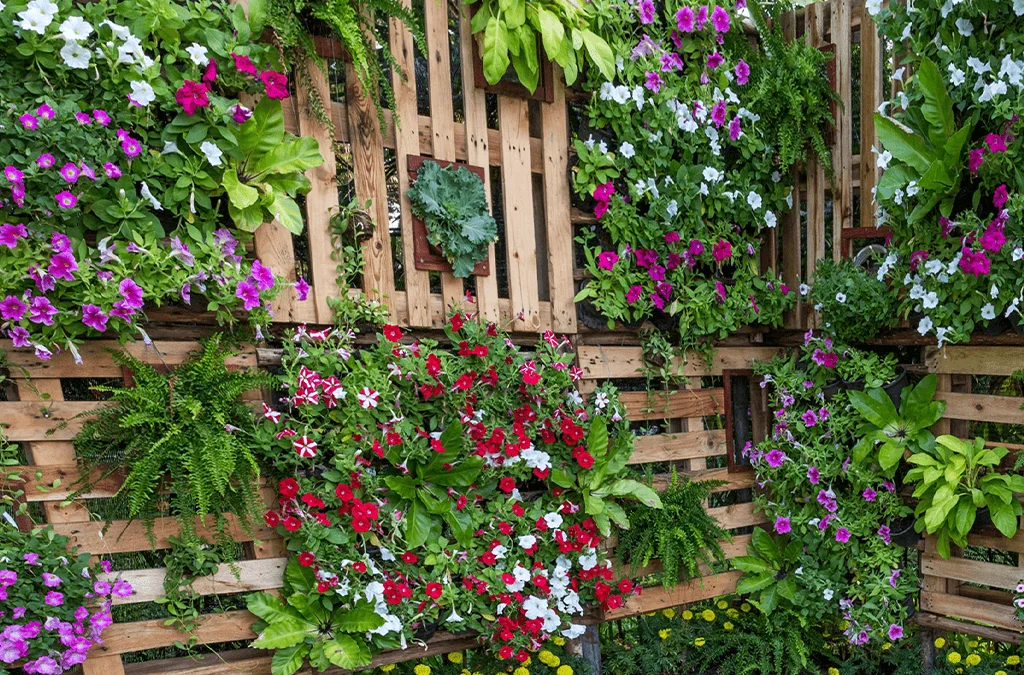
Plan your garden so that taller plants won’t overshadow smaller ones, blocking their sunlight. When organizing your plants, arrange them in a way that’s pleasing to the eye—consider color combinations and textures that complement each other.
Neglecting Pest and Disease Control
Vertical gardens are not immune to pests and diseases. They can be susceptible due to the close proximity of plants, which can allow for rapid spread.
Keep an eye out for early signs of trouble like discoloration, spots, or insect damage. If you spot pests or disease, take immediate action to avoid it spreading to other plants. Depending on the problem, you may need to remove and replace infected plants, use a natural or chemical pesticide, or amend your care routine.
Preventative care is also essential—keep your plants healthy with the right light, water, and nutrients, and they will be less likely to succumb to pests and diseases. Regularly cleaning your garden and the area around it can also help prevent the onset of disease and pests.
With these considerations in mind, you can navigate the common pitfalls of setting up and maintaining a vertical garden. Always remember that gardening is a learning process—mistakes are opportunities for learning and growth!
Despite these potential challenges, with careful planning and ongoing maintenance, you can overcome these issues and cultivate a thriving vertical garden. As every garden is unique, what works for one might not work for another. Successful vertical gardening requires regular care, observation, and a readiness to experiment and learn.
Indoor and outdoor vertical gardens, however, have their distinct sets of challenges.
Problems and Pitfalls in Indoor Vertical Gardening
Lighting Issues
Indoor gardens often face issues with inadequate light. Even if placed near a window, the amount of sunlight received may not be enough for sun-loving plants. It’s essential to either choose shade-tolerant plants or supplement natural light with grow lights.
Air Circulation and Humidity
Indoor environments often lack the airflow plants would naturally have outdoors, and this can encourage pests and disease. Overly dry air can also stress plants, while high humidity may promote mold growth. Consider using a small fan to improve air circulation and a humidifier or dehumidifier to regulate humidity.
Temperature Fluctuations
Indoor environments can have more significant temperature fluctuations than outdoors, especially near windows or heat vents. Such fluctuations can stress plants. Try to maintain a consistent temperature suitable for your chosen plants.
Drainage and Mess
Proper drainage is crucial, but indoor vertical gardens can get messy. Overflows can damage indoor floors and furniture. Ensure your vertical garden has a system for catching and dealing with excess water.
Problems and Pitfalls in Outdoor Vertical Gardening
Weather Extremes
Outdoor vertical gardens can be exposed to harsh weather conditions, such as wind, heavy rain, and extreme temperatures. These can cause physical damage to the garden or stress the plants. Make sure your garden is well-secured against wind and that your plant selection suits your climate.
Pest and Disease Exposure
Outdoor gardens can face more pest and disease issues due to exposure to the outside environment. Regular monitoring and a proactive approach to pest and disease control can mitigate these risks.
Watering Challenges
Outdoor vertical gardens can dry out quickly, particularly on hot or windy days. On the other hand, excessive rain can lead to waterlogged soil. Automatic drip irrigation can ensure consistent watering, while good soil and proper garden design can ensure adequate drainage.
Sun Exposure
Depending on the location, an outdoor vertical garden might get too much or too little sun. Carefully assess your site and choose plants that are suitable for the amount of sunlight available.
We hope you enjoyed reading our successful vertical gardening tips. Remember that while indoor and outdoor vertical gardens each have their own set of challenges, with careful planning and diligent maintenance, these potential problems can be overcome, allowing you to enjoy the full benefits of vertical gardening.
Additional Resources
Here are some additional resources that can help you with your vertical gardening project:
Websites
- The Spruce: 28 Unique DIY Vertical Garden Ideas to Try
- Balcony Garden Web: 42 Urban Vertical Gardening Ideas For Small Spaces
- Gardening Know How: Tips For Growing A Vertical Vegetable Garden
Books
- The Vertical Gardening Guidebook by Tom Corson-Knowles
- Vertical Vegetables: Simple Projects that Deliver More Yield in Less Space by Amy Andrychowicz
- The Vertical Garden: From Nature to the City by Patrick Blanc
These blog articles and books can provide you with in-depth information about various aspects of vertical gardening, including design considerations, plant selection, and maintenance techniques. Remember, vertical gardening is a versatile concept that can be adapted to suit different spaces and climates, so there’s a lot of room for creativity.

No Responses