Imagine a future where the concrete jungle of cities is transformed into a lush, green paradise. It’s a world where buildings don’t just house people, but also nurture verdant vertical gardens. This is the vision indoor vertical farming brings to urban dwellers, offering an innovative and sustainable solution for growing fresh produce at home. In this article, we will explore the fascinating world of indoor vertical farming for homes, as well as its various benefits and types of systems available.
The Rise of Indoor Vertical Farming
As our cities continue to grow and space becomes an increasingly valuable commodity, vertical farming has emerged as a beacon of hope. This cutting-edge method of agriculture is like a modern-day Hanging Gardens of Babylon, enabling urban dwellers to grow plants in a compact, efficient, and eco-friendly manner. Indoor vertical farming systems have been embraced by restaurants, supermarkets, and even large-scale commercial growers. Now, this technology is finding its way into our homes, bringing the benefits of fresh, local produce right to our doorsteps.

Different Types of Indoor Vertical Farming Systems
Gone are the days of relying solely on soil and sunlight to grow your greens. Today’s indoor vertical farming systems employ cutting-edge technology to create an environment that is, quite literally, a breath of fresh air for plants. Three major types of indoor vertical farming systems have made their mark on the agricultural landscape: hydroponics, aeroponics, and aquaponics. These systems rely on nutrient-rich water solutions, mist, or the symbiotic relationship between plants and fish to nourish their crops, rather than traditional soil. Each system has its unique advantages and challenges, but all share a common thread: they offer an efficient, space-saving, and sustainable way to grow food in an urban environment.
Hydroponics: Like a plant’s voyage into a water world, hydroponic systems nurture plants with nutrient-rich water, forgoing soil altogether. This method provides plants with everything they need to thrive, all within a compact and efficient system.
Aeroponics: Imagine plants suspended in mid-air, roots reaching out to embrace a fine mist of nourishing nutrients. This is the essence of aeroponics, a system that delivers nutrients to plant roots through a nutrient-laden mist, optimizing nutrient absorption while minimizing water use.
Aquaponics: A symbiotic symphony of fish and plants, aquaponics combines the best of both worlds, with fish producing the nutrients that plants need to grow. In return, plants filter the water, providing a clean environment for the fish.

Advantages of Home-Based Indoor Vertical Farming
The advantages of indoor vertical farming for homes are as numerous as the leaves on a thriving tomato plant. First and foremost, having access to fresh produce all year round is a game-changer. Picture plucking ripe, juicy strawberries in the dead of winter or harvesting crisp lettuce from your living room – it’s a gastronomic delight that would make even the most seasoned chef envious.
Furthermore, indoor vertical farming significantly reduces food miles and the carbon footprint associated with transportation, contributing to a greener, more sustainable planet. With the increasing concerns about climate change, this eco-friendly approach to urban agriculture is a breath of fresh air.
Another advantage of home-based indoor vertical farming is improved food security. By growing produce at home, you’re not only taking control of your food source but also reducing your dependency on external supply chains, which can be vulnerable to fluctuations in weather, political instability, or other unforeseen events.
Finally, indoor vertical farming has the potential to yield healthier, more nutritious produce. Plants grown in controlled environments are less likely to be exposed to pests, diseases, or harmful chemicals, resulting in food that’s as pure as the water that nourishes it.

Optimizing Space in Your Home for Vertical Farming
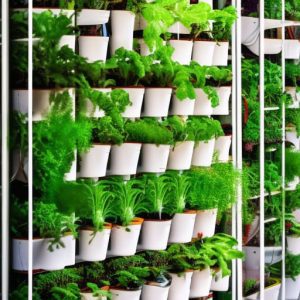
When it comes to integrating indoor vertical farming into your home, it’s essential to carefully assess the available space and choose the right system to maximize your harvest. From compact, wall-mounted planters to freestanding towers, the possibilities are as diverse as the crops they can support.
Planning for future expansion is also crucial, as the fruits of your labor may inspire you to take your indoor vertical farm to new heights. By incorporating modular designs or scalable systems, you can ensure that your home-based farm grows along with your ambitions and appetite for fresh, home-grown produce.
Unleashing Your Inner Urban Farmer
Indoor vertical farming for homes is not just about growing food – it’s also a rewarding hobby that fosters a deeper connection with nature. Tending to your plants can be a meditative and therapeutic experience, as you witness the miracle of growth unfold before your eyes. Moreover, it’s an opportunity to share the joys of urban agriculture with your family and friends, sparking conversations about sustainability, health, and the importance of nurturing our planet.
Conclusion
Indoor vertical farming for homes is more than a mere trend; it’s a sustainable and innovative approach to urban agriculture that has the potential to reshape our cities and lives. By incorporating this revolutionary method of growing food into our homes, we can enjoy fresh, nutritious produce year-round, reduce our environmental impact, and take charge of our food security. So, roll up your sleeves and get ready to join the ranks of urban farmers who are reaping the benefits of this game-changing technology, one leafy green at a time.
