Transforming your vertical spaces into lush, green sanctuaries with vertical gardens can be a game-changer, particularly in urban spaces where horizontal gardening areas may be limited. With an artful selection of sun-loving plants, you can turn any sunny spot into a vertical garden oasis!
Key Factors in Choosing Plants for Your Sunny Vertical Garden
Designing a successful vertical garden requires a deep understanding of the environmental conditions and the specific needs of the plants you intend to grow. In a sunny location, several key factors should be considered to ensure your vertical garden thrives.
If you are unsure about the right climate conditions for your outdoor garden wall and live in the U.S., check out the USDA Plant Hardiness Zone Map, which is the standard by which gardeners and growers can determine which plants are most likely to thrive at a location. The map is produced by the U.S. Department of Agriculture (USDA) Agricultural Research Service (ARS) and is available on their website. The map is based on the average annual minimum winter temperature, divided into 10-degree Fahrenheit zones.

Sunlight: The first and most critical factor is the amount of sunlight your vertical garden will receive. Sun-loving plants typically require at least six hours of direct sunlight daily. Therefore, observe your space throughout the day to ensure it meets this requirement. Remember that the sun’s path can change with the seasons, potentially impacting the amount of sunlight your garden receives.
Temperature and Climate: Different plants thrive in different temperature ranges and climate conditions. For instance, some sun-loving plants are also heat-tolerant, making them perfect for a vertical garden in a sunny, hot climate. In contrast, other sun-loving plants might prefer milder temperatures. Therefore, understanding your local climate will guide you in selecting the right plants.
Plant Size and Growth Habit: When planning a vertical garden, consider the size of the mature plant and its growth habit. For instance, climbing or trailing plants are excellent for covering the vertical surface quickly. On the other hand, compact or dwarf varieties can add depth and texture to the design without overcrowding the space.
Soil and Watering Needs: Different plants have different soil and moisture needs. Some plants, such as succulents, prefer well-draining soil and infrequent watering, while others might need a richer soil and consistent moisture. Balancing these needs can be a challenge in a vertical garden where plants are growing in close proximity.
Plant Care Requirements: Every plant has its own set of care requirements, including feeding, pruning, and pest management. Consider these needs and your willingness or ability to meet them before finalizing your plant selection.
Plant Combinations: Finally, consider how your chosen plants will look together. A successful vertical garden should be visually appealing, with a good mix of colors, textures, and shapes.
Best Sun-Loving Plants for Vertical Gardens: A Detailed Look
With the right amount of sunlight, virtually any plant can be grown in a vertical garden, whether indoors or outdoors. A sunny location is a great advantage, offering a broad array of plant choices from flowers, fruits, vegetables, to herbs. Vertical gardening is a creative way to maximize your space while also creating a living work of art. Whether you have a blank wall indoors that needs a pop of color or an outside wall exposed to sunlight for the most part of the day, a vertical garden can transform these spaces into vibrant, green habitats. Below, we will delve into some of the best sun-loving plants suitable for indoor and outdoor vertical gardens, providing tips on their specific care requirements and characteristics.
Below, we dive into some of the best sun-loving plants for vertical gardens, their unique characteristics, and their care instructions.
Flowers for Sunny Vertical Gardens
Flowering plants can add a dash of color and beauty to your vertical garden. Here are some excellent sun-loving flowering plants suitable for vertical gardens:

Petunias: These vibrant annuals come in a wide array of colors and patterns. Known for their prolific blooming, petunias can add a continual burst of color to your vertical garden throughout the growing season. They prefer well-draining soil and benefit from regular deadheading to encourage further blooms.
Bougainvillea: This sun-loving climber is a real showstopper. Known for its paper-like bracts in a range of stunning colors, bougainvillea can quickly cover a vertical space, creating a wall of vibrant color. It prefers a well-draining soil and can tolerate periods of drought.
Geraniums: Hardy and versatile, geraniums offer a variety of colors and types. Some geraniums, such as ivy geraniums, have a trailing habit, perfect for a vertical garden. They prefer a well-draining soil and should be deadheaded regularly to promote blooming.
Black-Eyed Susan Vine: With its bright yellow-orange flowers, the Black-Eyed Susan Vine can add a pop of color to any vertical garden. This climber thrives in full sunlight and prefers a consistently moist soil.
Mandevilla: This tropical vine produces large, trumpet-shaped flowers and can create a dramatic effect in a vertical garden. Mandevilla needs a sturdy support to climb and prefers a rich, well-draining soil.
Morning Glory: Known for its fast growth and beautiful funnel-shaped flowers, Morning Glory can quickly cover a vertical surface. This plant loves full sun and a well-draining soil but be cautious, as it can become invasive if not managed correctly.
Lantana: This robust plant is known for its clusters of vibrant, multi-colored flowers. Lantana is drought-tolerant and can thrive in a range of soil types, making it an excellent low-maintenance option for a sunny vertical garden.
Sedum: As a hardy succulent, Sedum thrives in sunny conditions and can tolerate drought. It comes in a range of shapes and sizes, providing a great option for adding texture to a vertical garden.
Climbing Roses: These classic plants can add a romantic touch to a vertical garden. Climbing roses need a sturdy support to climb and prefer a rich, well-draining soil. They also require regular pruning to maintain their shape and health.
Honeysuckle: Known for its fragrant, tubular flowers, honeysuckle can create a sensory treat in a sunny vertical garden. This vigorous climber prefers a rich, well-draining soil.
Fruits and Vegetables for Sunny Vertical Gardens
Adding fruit and vegetable plants to your vertical garden can be both aesthetically pleasing and practical. They need a good amount of sunlight to produce a generous harvest.
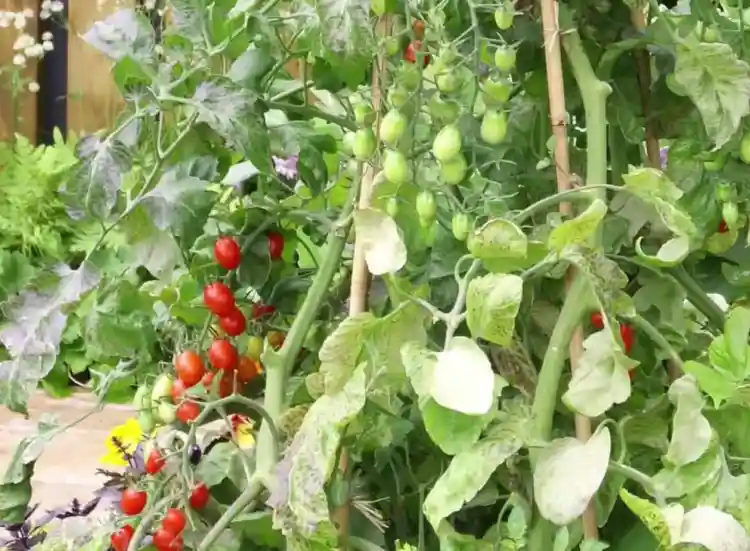
Tomatoes: Certain varieties of tomatoes, especially cherry or grape tomatoes, are excellent for vertical gardening. They need strong supports to climb and require a nutrient-rich soil.
Cucumbers: Vertical gardening is perfect for vining cucumber varieties. Growing them vertically can help prevent fungal diseases by improving air circulation.
Strawberries: These fruits are ideal for vertical gardens as they have shallow roots and don’t need much space. They prefer well-drained soil and need at least six hours of sun each day.
Peppers: Both sweet and hot pepper varieties do well in sunny vertical gardens. They require well-draining soil and regular watering.
Herbs for Sunny Vertical Gardens
Herbs can thrive in vertical gardens, providing fresh flavors for your kitchen while maximizing your gardening space. Many herbs prefer sunny conditions and can be grown relatively close together.
Basil: This sun-loving herb thrives in a vertical garden. Basil prefers well-draining soil and needs at least six hours of sunlight each day.

Thyme: Thyme is a hardy, drought-tolerant herb that can thrive in a sunny vertical garden. It prefers well-draining soil and should be pruned after flowering to encourage dense growth.
Rosemary: This aromatic herb grows well in vertical gardens. It prefers a well-draining, slightly sandy soil and can tolerate dry conditions once established.
Oregano: A staple in many kitchens, Oregano thrives in sunny locations. It prefers a well-draining soil and should be pruned regularly to promote bushy growth.
Mint: Mint can be a great addition to a vertical garden but be aware, it’s a vigorous grower and can easily take over if not carefully managed. It prefers a moist, well-draining soil and full sun to partial shade.
These examples showcase the variety of sun-loving plants that can thrive in a vertical garden. Whether you prefer vibrant flowers, fresh fruits and vegetables, or aromatic herbs, there’s a wide range of options to help you create a thriving vertical garden in a sunny location.
In conclusion, vertical gardens provide an innovative and dynamic solution for urban gardening, allowing for the maximization of limited spaces. A careful understanding of sunlight, temperature, plant size, soil, and watering needs, as well as plant combinations, are vital for a successful vertical garden. With an array of sun-loving plants ranging from vibrant flowers like Petunias, Bougainvillea, and Geraniums, to vegetables and fruits like Tomatoes, Cucumbers, and Strawberries, or herbs such as Basil, Thyme, and Rosemary, the possibilities are endless. When properly maintained, a vertical garden can transform any space into a lush, green sanctuary, presenting a unique blend of aesthetics and functionality.
Here are some useful sites to help you with advice, tips and further readings for your vertical garden projects:
The National Gardening Association offers numerous articles, forums, and guides on various gardening topics including vertical gardening and herb cultivation.
The Royal Horticultural Society in the UK is a charity dedicated to advancing horticulture and promoting gardening. Their website offers a lot of useful information and advice.
The Farmer’s Almanac Planting Calendar is a very helpful resource that provides information on the best times to plant different types of herbs and other plants, based on location.
Cornell University’s Home Gardening resource offers in-depth information on a variety of gardening topics, including flower growing guides and vegetable growing guides as well as flower garden design.

No Responses