Soil serves as the lifeblood of a thriving vertical garden. In a vertical gardening setup, plants are reliant on a smaller volume of soil than they would be in a traditional garden. The soil is where plants source essential nutrients, and it also serves as the secure anchor for their roots. Given the crucial role that soil plays, ensuring your soil is in optimal condition is a significant task that requires attention to detail.
Soil mixing, one proven strategy to enhance the health of your vertical garden, is a practice that involves combining various types of soil and soil amendments to create an ideal growth environment for your plants. The objective is to enhance the soil’s physical properties, improve its nutrient content, and ensure excellent drainage.

When we talk about mixing different soils, we refer to blending various commercial soils or home-prepared soil types. For example, you may combine garden soil, potting soil, and compost in certain proportions. Garden soil, a staple in most gardens, is rich in organic material and microbes beneficial to plant growth, while potting soil, formulated especially for potted plants, is lighter and drains better. Compost, a product of decomposed organic matter, is a nutrient powerhouse. Mixing these together can result in a more nutrient-rich and well-draining soil suitable for vertical gardening.
Beyond the mixing of different soils, soil blending also involves enriching the soil with additional ingredients or soil amendments. This might include adding organic matter like composted leaves, well-rotted manure, or worm castings to improve soil fertility. Other amendments like sand, perlite, or vermiculite can be added to improve soil structure and drainage, which is particularly important in vertical gardening where gravity can lead to waterlogging.
For example, if you’re growing succulents in your vertical garden, you might create a mix using equal parts of potting soil, coarse sand, and perlite. This combination would provide the fast-draining environment that succulents need to thrive, while still offering the nutrients necessary for growth.
In summary, soil mixing is about blending different soil types and enriching them with other ingredients to create a soil that is tailored to meet the specific needs of your plants, enhancing the overall health and productivity of your small-scale vertical garden.
Understanding the Value of Soil Mixing for Vertical Gardens
Promoting Plant Health
A key aspect of soil mixing involves enhancing the health of your plants. The process of combining different soil types introduces a more diverse range of nutrients and creates an inviting habitat for roots to develop and flourish, which is particularly significant for plants in a vertical garden where soil volume is often limited.
Achieving Superior Soil Structure
Soil structure significantly impacts plant growth. In the unique context of a vertical garden, an ideal soil mixture will boost your soil’s texture and drainage capacities, allowing roots to penetrate more efficiently and ensuring excellent water flow, which is crucial when gravity is an added challenge.
Enhancing Nutrient Accessibility
Different soil types host a variety of nutrients. Blending them can unlock a wider selection of these critical elements, making them accessible to your vertical garden plants, thus compensating for the smaller volume of soil available.
Recognizing the Types of Soil for Mixing
Before initiating the blending process, familiarize yourself with the potential soil types you might use.
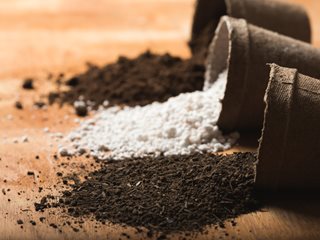
Garden Soil
Garden soil is a natural soil found in most gardens and outdoor spaces. It’s a mix of sand, silt, clay, and organic matter. Garden soil can vary significantly in its composition, depending on the location and the natural ecosystem from where it is sourced.
The organic matter in garden soil is derived from decayed plant and animal material, which gradually decomposes over time to provide a natural source of nutrients. The sand, silt, and clay particles in garden soil give it structure and influence its water and nutrient holding capacities. However, garden soil can sometimes be heavy and may not drain well, especially if it has a high clay content. This can pose a challenge in vertical gardens where good drainage is crucial.
Potting Soil
Potting soil, often referred to as potting mix, is specially designed for potted plants. It is typically lighter and more porous than garden soil, allowing for better air circulation and drainage, two key factors in vertical gardening.
Potting soil is usually a soilless mix, meaning it does not contain actual soil. Instead, it is made up of a blend of peat moss, pine bark, and perlite or vermiculite. These ingredients provide a light and airy medium that promotes root growth and retains moisture effectively. Potting soil is also often fortified with slow-release fertilizers and pH adjusters to make it more plant-friendly.
However, potting soil might not offer as much nutritional content as other soil types, which is why gardeners often enrich it with other elements, such as compost, for an added nutrient boost.
Compost
Compost is decomposed organic matter that has been recycled as a soil amendment and fertilizer. It is typically made from yard waste, like leaves and grass clippings, and kitchen scraps, like fruit and vegetable peelings. Over time, these materials break down through a natural decomposition process, resulting in a nutrient-rich material known as compost.
Adding compost to your soil mix can significantly enhance its nutrient content. Compost not only provides a wide range of essential plant nutrients, but it also improves soil structure, enhances soil fertility, and promotes beneficial soil microbes. This makes it a great addition to any soil mix for vertical gardens.
Keep in mind, though, that while compost is extremely beneficial, it should be used as a soil amendment rather than a standalone soil. Too much compost can lead to nutrient imbalances and poor aeration.
These are just three of the many types of soil and amendments that can be used in soil mixing. Each one brings different properties to the table, so understanding their characteristics will help you to create a soil blend that will best meet the needs of your vertical garden plants. Let’s touch on a few:
Topsoil: Topsoil is the uppermost layer of soil, typically the top 5 to 10 inches. It’s rich in organic matter and microbes, making it very fertile. It’s often used to amend garden soil.
Sandy Soil: Sandy soil has a high proportion of sand particles and is well-draining, which is useful for plants that don’t like to have wet feet. However, sandy soil doesn’t retain nutrients well, so it may need to be enriched with organic matter.
Clay Soil: Clay soil has the smallest particles among the soil types and tends to hold water well. But it can also be heavy and poorly draining, making it difficult for roots to penetrate. Adding organic matter can help improve its structure.
Silt Soil: Silt soil falls between clay and sandy soil. It’s fertile and holds water better than sandy soil but drains better than clay soil.
Coir (Coco Peat): Coir is made from the husks of coconuts. It’s a sustainable peat moss alternative that absorbs water well and slowly releases it to plants. It can be used to lighten the soil mixture.
Perlite: Perlite is a volcanic glass that’s heated until it expands into a lightweight, porous material. It’s used to improve aeration and drainage.
Vermiculite: Vermiculite is a mineral that’s heated until it expands into a light, absorbent material. It can improve soil’s water-holding capacity and is often used in potting mixtures.
Leaf Mold: Leaf mold is made from decomposed leaves. It’s a great source of nutrients and can improve the structure and water retention of soil.
Worm Castings: Worm castings, or worm poop, is a great soil amendment. It’s packed with nutrients, beneficial microbes, and enzymes that can help improve soil health.
Green Sand: Green sand is a mineral supplement that’s a good source of potassium and other trace minerals.
These are just a few examples, and the best mix will depend on your specific plants’ needs.
Soil Mixing in Vertical Gardening – Part Science, Part Art
A clear understanding of how to mix the ideal soil for your vertical garden plants is critical. Here are some pointers:

Understand Your Plants’ Needs: Different plants have different soil requirements. For example, succulents need a fast-draining soil mix that often includes a higher proportion of sand or perlite, while most vegetables prefer a fertile soil rich in compost or well-rotted manure. You should research the plants you plan to grow in your vertical garden, focusing on their preferred soil pH, nutrient needs, and moisture requirements. Numerous gardening books and reputable online resources provide this information.
Evaluate Your Existing Soil: This step is important if you’re using garden soil in your mix. You can perform a simple hand test to check your soil’s texture. Take a handful of moist (but not wet) soil and squeeze it. If it forms a ball that crumbles when you open your hand, it’s loam and is generally well-balanced. If it stays in a tight ball, it’s clay-heavy and may need amendments to improve drainage. If it falls apart as soon as you open your hand, it’s sandy and may need organic matter to retain moisture and nutrients.
Perform a Soil Test: This is a more detailed method of assessing your soil’s nutrient levels and pH. You can buy a home soil testing kit from a garden store or online, or send a soil sample to a professional lab. The results will tell you what nutrients your soil is lacking, which can guide you on what amendments to add.
Consider Your Vertical Garden Structure: Vertical gardens need well-draining soil to prevent water from stagnating at the bottom. Regardless of the plants you’re growing, you’ll likely want to add some perlite, vermiculite, or coarse sand to your mix to facilitate good drainage.
Start Small and Experiment: As a beginner, it might be a good idea to start with a small-scale vertical garden and experiment with different soil mixes to see what works best for your chosen plants.
Don’t Be Afraid to Adjust: Even after you’ve made your soil mix and planted your garden, you may find that you need to make adjustments. If your plants are showing signs of nutrient deficiencies or your soil isn’t draining well, you can still amend your soil as needed.
Consult Local Extension Services or Gardening Clubs: These organizations often provide free or low-cost advice and resources for gardeners. They can help you understand your soil and what it needs.
Remember that gardening is both a science and an art. What works for one garden or gardener may not work for another. The important thing is to keep learning, observing your plants, and adjusting as necessary.
Aftercare Following Soil Mixing
Hydration: After mixing and distributing your soil, ensure you water it adequately. This aids the soil in settling and guarantees that nutrients are readily available to the plants in your vertical garden.
Fertilizer Application: Although your soil mixture should cover most nutrients your plants require, an occasional application of fertilizer can supplement this, especially given the limited soil capacity in a vertical garden.
Avoiding Mistakes in Soil Mixing: Prevent common mistakes such as skipping soil testing prior to starting, overlooking the specific soil requirements of your plants, and failing to mix the soil comprehensively.
Impact of Soil Mixing on Various Plants in Vertical Gardens
Blooming Plants

Blooming plants like roses, marigolds, or petunias are often heavy feeders, requiring a nutrient-rich soil to generate their vibrant flowers. To create a suitable environment for these plants in a vertical garden, you’ll need to ensure your soil is rich in organic matter, which provides a slow, steady supply of nutrients.
You might start with a base of a good-quality potting soil, as it’s lighter than garden soil and usually well-draining, essential for vertical gardening. You can then enrich this with well-rotted compost or worm castings, both excellent sources of nutrients. A blend could be 70% potting soil and 30% compost or worm castings. It’s also beneficial to add a slow-release organic fertilizer to your mix, which will provide a steady supply of nutrients throughout the growing season.
Vegetables
Vegetables such as tomatoes, peppers, or leafy greens often demand a deep, rich soil to establish robust root systems. Even in a vertical garden, where soil depth might be limited, a thoughtfully mixed soil can create a conducive environment.
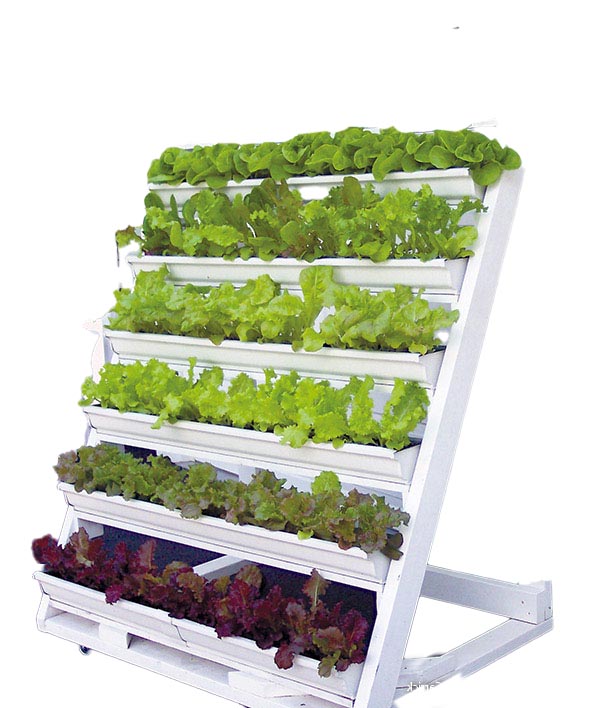
Start with a base of equal parts potting soil and compost, providing a good balance between nutrient supply and drainage. If your compost is homemade, it’s even better as it will be full of beneficial microbes. You can then add in some well-rotted manure (if available), which is high in nitrogen – great for leafy growth. A mix could be 40% potting soil, 40% compost, and 20% well-rotted manure. Additionally, you can add a balanced slow-release organic fertilizer to this mix to ensure your vegetables have the nutrients they need.
Succulents
Succulents, like cacti, sedums, or echeverias, require a well-draining soil mix to prevent water-logging, which can lead to root rot. A typical soil mix might not provide the level of drainage required by these drought-resistant plants.
For these plants, consider a mix of coarse sand, perlite, and potting soil. You could start with 40% potting soil, 30% coarse sand, and 30% perlite. The sand and perlite both improve drainage, and the potting soil provides some nutrients. While succulents don’t need as many nutrients as other plants, they do benefit from some organic matter, so adding a small amount of worm castings or compost can be beneficial.
It’s essential to monitor your plants’ growth and adjust your soil mix as necessary. If the plants show signs of stress or nutrient deficiency, you might need to tweak your recipe. Gardening is a dynamic process, and what works best might change over time or depending on specific conditions.
Tips for Success in Soil Mixing
Routine Soil Testing
Soil testing should be a regular part of your gardening routine. This practice will provide insights into your soil’s pH levels, nutrient content, and overall health. You can purchase soil testing kits from most garden centers or online. To get the most accurate results, collect samples from multiple points in your garden, mix them together, and then test a composite sample. If you’re a beginner gardener or unsure about the process, consider reaching out to your local extension service or hiring a professional to do it for you. Based on the results, you can adjust your soil mix or add necessary amendments.
Comprehensive Research on Your Plants’ Needs
Investing time in researching your plants’ specific needs can save you a lot of trouble down the line. Understand the pH level, nutrient, and moisture requirements of each plant you’re planning to include in your vertical garden. Some plants prefer acidic soil, while others thrive in alkaline or neutral soil. Similarly, the nutrient needs of a tomato plant will be different from those of a succulent. Books on vertical gardening, online resources, and local extension services can be great sources of this information. Always remember that a well-informed gardener is a successful gardener.
Thorough Mixing
Mixing soil might seem like a simple task, but doing it thoroughly is key to achieving a uniform blend of your components. Whether you’re using a shovel, your hands, or a tilling machine, make sure each ingredient is distributed evenly throughout the mix. This will ensure that your plants get a consistent supply of nutrients, no matter where they are in your vertical garden. Also, ensure any organic matter is fully decomposed before adding it to your mix to avoid ‘hot spots’ of nutrient concentration that can harm your plants.
Conclusion
The role of soil mixing in vertical gardening cannot be overstated. It is a dynamic process that requires understanding, skill, and patience, but when done correctly, it can drastically enhance the health, vitality, and yield of your vertical garden. Whether you’re nurturing a wall of vibrant blooms, a tower of lush vegetables, or a vertical display of drought-resistant succulents, a carefully curated soil mix can elevate your plants’ growth and bring your garden to life. The art of soil mixing not only provides an optimal environment for your plants but also deepens your connection to the natural world, enhancing the overall gardening experience. So embrace the process, and here’s to a rewarding journey in vertical gardening!
Frequently Asked Questions (FAQs) About Soil Mixing for Vertical Gardens
Why is soil mixing significant in vertical gardening?
Soil mixing is a crucial aspect of vertical gardening because it allows for customized soil profiles that meet the unique needs of different plants. By enriching nutrient content, augmenting soil structure, and creating better drainage, soil mixing can significantly improve the growth and health of plants, especially in vertical gardening contexts where space and soil depth are limited.
What kinds of soil can I mix for vertical gardening?
The choice of soil types for vertical gardening will depend on the plants you’re growing. Popular types include garden soil, potting soil, and compost. Other amendments like coarse sand, perlite, or vermiculite may be added for enhanced drainage. Additionally, you can incorporate organic matter such as worm castings, peat moss, or well-rotted manure to improve nutrient content. Your final mix should align with the specific needs of your plants.
What steps are involved in soil mixing for vertical gardening?
Soil mixing for vertical gardening involves several steps. First, start with a base soil. Next, integrate additional soils or amendments based on the requirements of your plants. Once the components are added, mix thoroughly to ensure an even distribution of nutrients. Test the texture of your soil – it should hold its shape when squeezed, but crumble easily. If necessary, adjust your mix until you achieve the desired texture. Finally, after adding your soil mix to your vertical garden, ensure thorough watering to help the soil settle and make nutrients available to the plants.
What care is necessary after soil mixing for a vertical garden?
After soil mixing, the first step is to water the soil thoroughly. This helps settle the soil and activate the nutrients within. Subsequently, regular watering based on your plants’ needs is crucial. Additionally, even though your soil mix will supply many of the nutrients your plants need, occasional fertilization might be necessary, especially for heavy feeders. Regularly monitoring your plants’ health will help you spot any nutrient deficiencies early and address them proactively.
Can soil mixing influence different plants in distinct ways in a vertical garden?
Absolutely. Different plants have unique soil requirements, which can significantly influence their growth and health. For instance, succulents require a soil mix that provides excellent drainage to prevent water-logging, while vegetables prefer a deeper, nutrient-rich soil to establish strong root systems. Flowering plants may require a soil mix rich in phosphorus to promote bloom production. Thus, customizing your soil mix to suit the specific needs of each plant can significantly enhance their growth and yield in a vertical garden.
Do I need to change my soil mix over time?
Yes, over time, as plants absorb nutrients from the soil, it may become depleted. Regularly adding compost or other organic matter can help replenish nutrients. Also, over time, the needs of your garden might change. For instance, if you decide to grow different plants, you might need to adjust your soil mix to suit their specific needs.
How can I tell if my soil mix is working?
Observe your plants. Healthy, thriving plants are usually a good indicator that your soil mix is working well. Signs of a good soil mix include strong, vigorous growth, deep green foliage, and plentiful blooms or fruits. Conversely, if your plants seem stressed or stunted, or if they show signs of nutrient deficiencies, you might need to adjust your soil mix. Remember, gardening is a dynamic process that requires constant learning and adjusting.
Further Reading
Using Soil and Soil Mixes (University of Illinois)
Homemade Potting Media (University of Illinois)
How to Make Potting Mix for Containers (Old Farmer’s Almanac)

No Responses